
What to Do After a Scary Diagnosis: A Calm, Step-by-Step Guide for Patients and Families
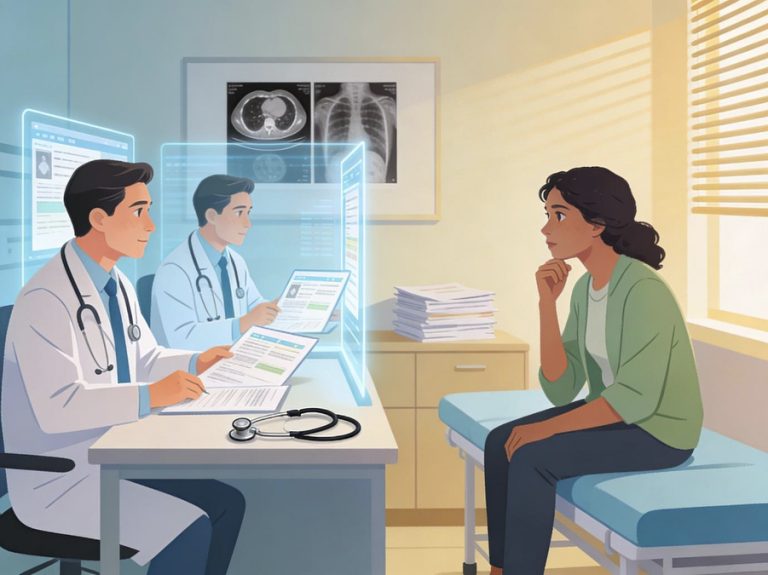
Receiving a serious medical diagnosis can be daunting. The initial response when it comes to cancer or any other life-altering situation is, at best, fear, perplexity, and doubt. However, this is the reality–this is not the final stage of control, it is the start of the knowledge action.
By taking the right steps, with support and an attitude, patients and their families are able to drive forward towards clarity and confidence.
What to Do After a Scary Medical Diagnosis

The first, and the most vital, measure is to stop and think. It is quite natural to experience emotional shock, and there is no need to hurry with making decisions, resulting in unnecessary stress.
1. Be Calm and Buy Time.
A diagnosis may seem like an emergency; however, the majority of conditions will give you time to know what to do. You can just take a moment to breathe and think rather than act on the emotions.
2. Understand Your Diagnosis
Ask your doctor:
- What is the condition?
- How serious is it?
- At what stage or level?
Being informed enables you to gain control and make better choices.
3. Avoid Information Overload
Spending time online, anxiety is worsened by endlessly searching. Use reliable medical resources and your medical personnel.
4. Develop a support System.
Find support via family, friends, or others. Emotional support is critical for recovery and making decisions.
What to Do After Cancer Diagnosis in India
The procedure in case of a cancer diagnosis must be orderly and considerate. Numerous treatment choices can perplex many patients in India; certainty is crucial.
1. Get all medical reports.
Store your biopsy report, scans and lab results. They are essential in the treatment planning.
2. Understand Your Cancer Type and Stage.
The treatment relies on:
- Type of cancer
- Stage of disease
- Overall health
Being aware of these things contributes to the ability to make judgments on options.
3. Explore Treatment Options
Typical treatments of cancer include:
- Surgery
- Chemotherapy
- Radiation therapy
- Targeted or immunotherapy
These all possess varying advantages and disadvantages, and thus, you need to discuss them with the doctor.
4. Get a Second Opinion.
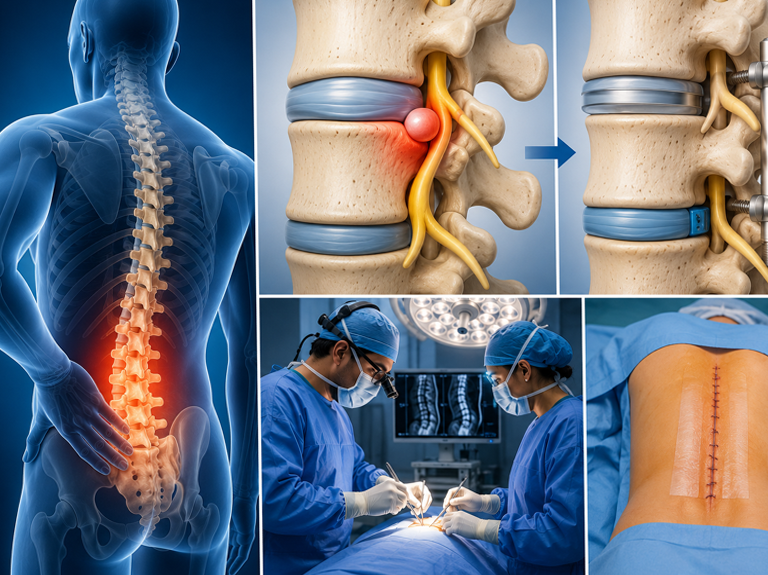
Second opinion spine surgery India, or second opinion cancer, is not the way to show lack of trust and confidence; it is a good choice. It aids in verifying diagnosis and makes sure that you are implementing the best treatment plan.
5. Select an appropriate Specialist.
Look for:
- Practice in your particular condition.
- Clear communication
- A multidisciplinary approach
A good doctor will guide—not pressure—you.
In case of doubt in the diagnosis or course of treatment, second opinion sites such as Reopine provide a second opinion by paying experts and consultation with practicing professionals.
Steps After Serious Diagnosis in India
After the initial shock is over, go down to the practical subsequent stages in order to control your condition.
1. Draw up a Treatment Plan Timeline.
Understand:
- At what time does treatment need to be initiated?
- How long will it last
- What each stage entails.
2. Train your mind and body.
Serious therapies are hectic. Eating well, hydrating the body, and making the mind ready enhance results.
3. Ask the Right Questions.
Prior to treatment, inquire of the patient:
- What are the advantages and disadvantages?
- What are the side effects?
- What is the success rate?
Active participation in care by patients usually leads to improved outcomes.
4. Plan Finances and Logistics.
Health care may include:
- Hospital visits
- Medications
- Travel
Predicting ahead helps to minimize stress in treatment.
5. Monitor Your Health.
Keep a record in writing or electronically of:
- Symptoms
- Medications
- Doctor visits
This is very useful in tracking your progress as well as your doctor’s.
Emotional and Family Support: The Hidden Strength
A severe diagnosis doesn’t only impact the patient, but the whole family.
- Promote discussion of fears and expectations.
- Together visit doctor appointments.
- Share responsibilities to minimize stress.
Conclusion
When your diagnosis is something scary, it seems like the world has gone dead, but in fact, it is a new beginning. Through calmness, learning what to do, finding appropriate advice, and taking systematic actions, the right approach will help to control your illness.
Keep in mind, you do not need to solve this on your own. Through the appropriate medical consultation, emotional help, and wise choices, one can move on with a push of strength, understanding, and optimism.