Which Is Better: Bypass Surgery or Angioplasty?
Heart disease is one of the leading health concerns all over the world and one of the most prevailing causes of cardiac issues are blocked arteries. When blood flow to the heart is restricted because of buildup of plague, doctors give recommendation of angioplasty or bypass surgery for restoration of right circulation. But one question that arise in maximum patients and their families is – which is better: Bypass Surgery or Angioplasty?
The answer relies on many factors, which includes how severe the blockage is, overall health, age and long term heart condition. Both treatments are highly efficient, but each of it has its own benefits and limitations.
Understand Angioplasty
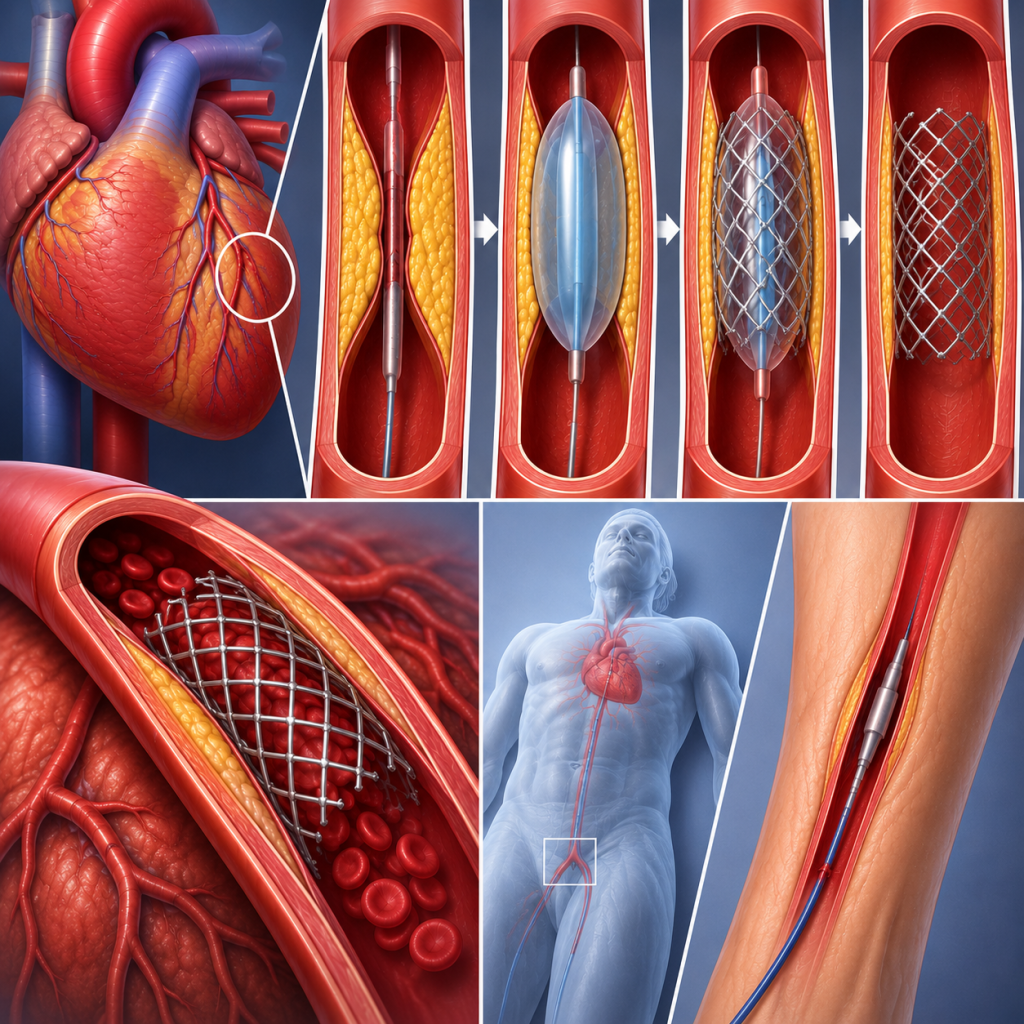
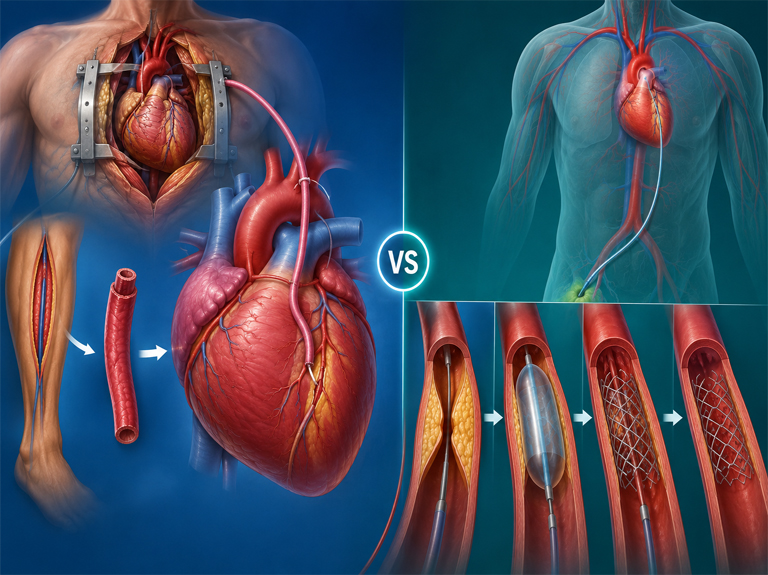
Angioplasty is a minimum invasive process used for opening barrowed or blocked arteries. At the time of treatment, a thin catheter with a small balloon is placed through a blood vessel, generally from the groin or the wrist and guided to the blocked artery. Then the balloon is inflated for widening the artery and in maximum cases, a stent is kept for keeping the artery open.
As it is less invasive as compared to surgery, angioplasty has become one of the best options for several patients with mild to moderate coronary artery disease.
Advantages of Angioplasty
One of the biggest benefits of angioplasty is short time of recovering. Mostly patients return home within one or two days and start normal activities very quickly. The process also cause less physical discomfort as compared to major surgery.
Some of the other benefits are:
- Small incision
- Less immediate surgical risk
- Fast healing
- Short hospital stay
- Good for emergency treatment of heart attack
Angioplasty is often a recommendation for patients having one or two blocked arteries or for those who might not be a right fit for a major surgery.
Limitations
Even if angioplasty is an effective treatment, it might not always offers a permanent solution. In many patients, mainly those with diabetes or several blockages, arteries might become narrow again with time. This enhances the chances of repeat procedures in the future.
Complicated blockages, highly calcified arteries or multiple narrowed vessels might also decrease the long term efficiency of angioplasty.
Understand Bypass surgery
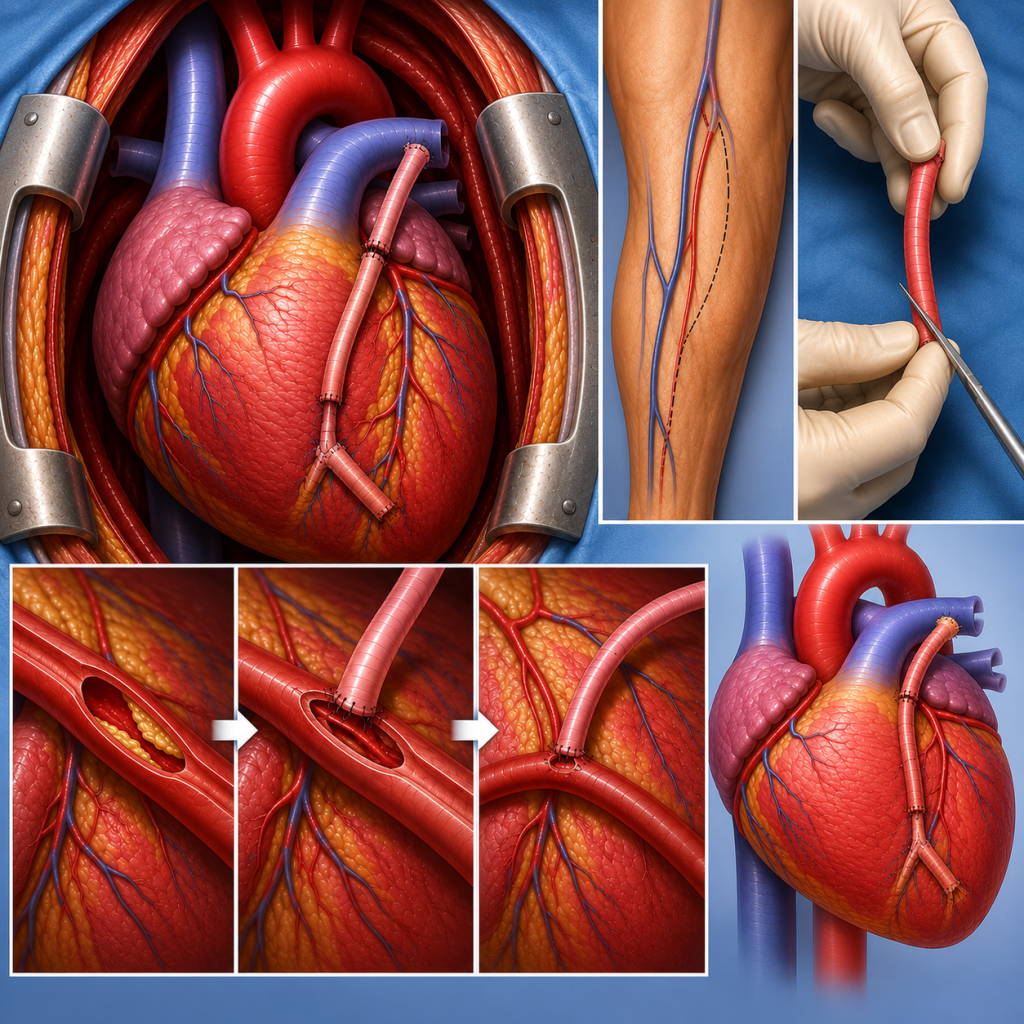
Bypass surgery, primarily known as CABG or Coronary Artery Bypass Grafting, is one of the major surgical process carried out for enhancing blood flow to the heart. Surgeons for a new pathway around the blocked arteries by making use of healthy blood vessels taken from other part of the body.
Distinct from angioplasty, bypass surgery is useful in severe and prevalent coronary artery disease more widely.
Advantages of Bypass Surgery
Bypass surgery is more durable for those patients suffering from advanced heart disease. It is specifically beneficial for individuals having:
- Various blocked arteries
- Sugar
- Serious coronary artery disease
- Weak functioning of heart
- Complicated arterial blockages
Several studies have shown that bypass surgery might decrease the requirement of repeat processes and offer better long term outcomes in patients with high risk.
Extra benefits includes:
- Long lasting outcomes
- Enhanced blood flow to several areas of the heart
- Low risk of future serious cardiac events in many patients
Limitation
As because bypass surgery is one of the major operation, recovery takes long time as compared to angioplasty. Patients have to stay in hospital for many days a complete recovery might need several weeks to several months.
Some of the other challenges are:
- High initial surgical risk
- Large size incisions
- More physical discomfort at the time of recovery
- Enhanced time of recovery
Irrespective of all this, bypass surgery might still be a safe long term option for patients with serious heart disease.
Which is better: Bypass Surgery or Angioplasty?
These are no general answer because every heart condition differs.
Angioplasty is better when:
- The blockage is in one or two arteries
- Less complicated blockage
- Fast recovery is important
- Elderly patient
- Patient not able to undergo major surgery
- Need of emergency treatment
Bypass surgery is better when:
- There is blockage in multiple arteries
- Serious or complicated coronary disease
- Patient have diabetes
- Long term durability
- Failure of previous angioplasty
Cardiologists generally do evaluation of angiography reports, age, and status of diabetes, kidney functioning and medical history along with overall health for recommending the best option of treatment.
How important is expert guidance?
Selecting between angioplasty and bypass surgery can be overwhelming. But as every patient’s condition is not same, expert medical advice plays an important role in making right decision. For those who are looking for dependable medical guidance, Reopine connects patients with some of the experienced specialists for getting expert consultations and second opinions.
The platform assists patients in making informed healthcare decisions by offering access to trustworthy doctors across various specialists including cardiology.
Conclusion
Both angioplasty and bypass surgery are efficient treatments for blocked heart arteries. Angioplasty provides quick recovery and is less invasive, and bypass surgery offers outcomes in long term for patients with serious or several blockages.
The best option relies completely on the heart condition of the patient, overall health goals and medical history. Consultation with an experience heart specialists is one of the best ways for determining the right treatment and make sure there is better heart health.