What Is Endoscopic Spine Surgery and Is Endoscopic Spine Surgery Safe?
Back and neck pain can hamper your daily life, especially if medication, physical therapy or changes in your lifestyle do not solve the problem. Endoscopic spine surgery is a progressive new minimally invasive procedure to treat certain spinal conditions. But what does endoscopic spine surgery mean, and how safe is endoscopic spine surgery?
This blog post explores the procedure, its benefits, safety and what to expect from the surgery before you consider whether or not it could help with your condition.
What Is Endoscopic Spine Surgery?
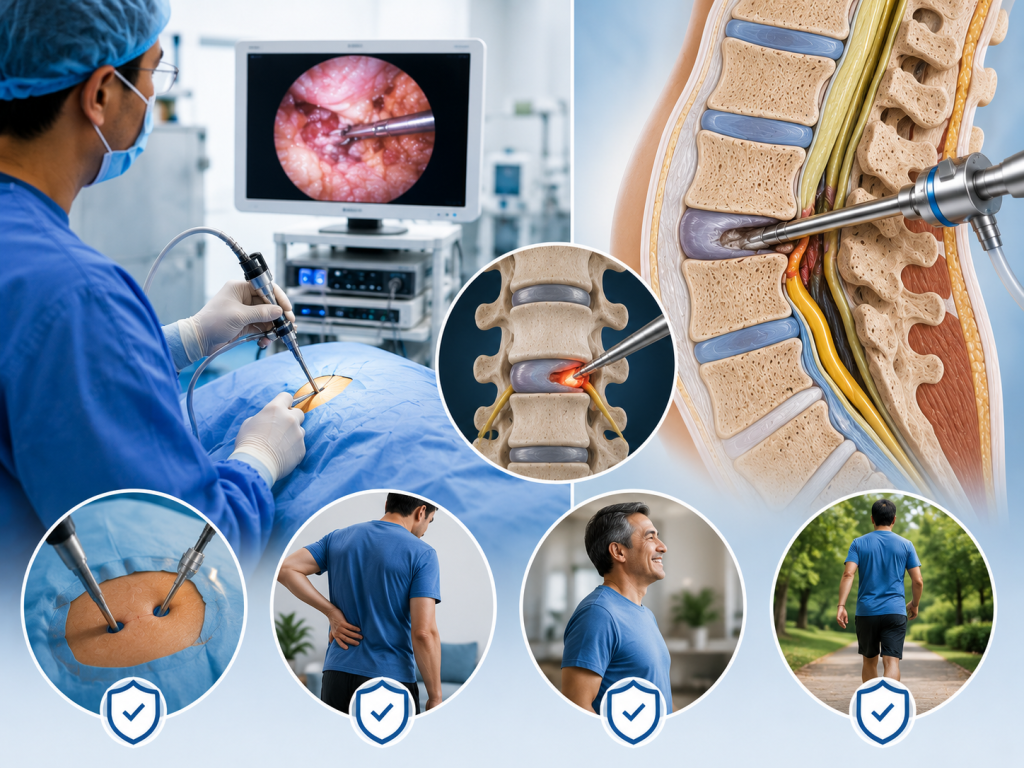
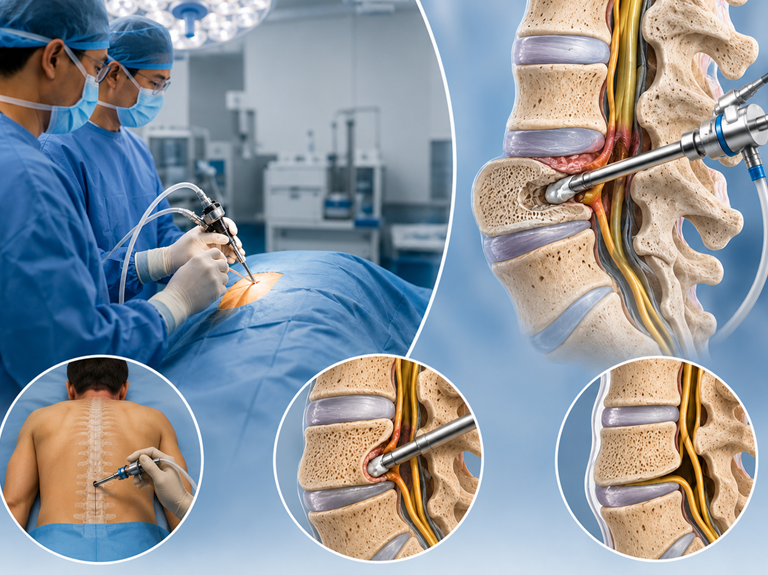
Endoscopic spine surgery is a minimally invasive procedure used to diagnose and treat certain spinal conditions through a small incision. An incision in the skin is made and an endoscope—a small tube with a camera and a light source attached to the tip—is inserted so that a surgeon can see the spine magnified on a monitor.
Unlike invasive spine surgery, which may require larger incisions, muscle dissection and gravitation, endoscopic surgery is performed through small incisions that produce less damage to surrounding tissue.
The procedure may be used to treat a number of conditions, including:
- Herniated or slipped discs
- Spinal stenosis (narrowing of the spinal canal)
- Sciatica caused by nerve compression
- Degenerative disc disease
- Certain spinal cysts
Specialized instruments are introduced through the same channel along with the endoscope during the same procedure to remove or repair the problem tissue responsible for pain or nerve compression.
Is Endoscopic Spine Surgery Safe?
Reducing risk in endoscopic spine surgery depends most on patient selection and meticulous training of spine surgeons.
Several studies have shown that many patients can experience results with minimally invasive endoscopic surgery with less tissue damage and less postoperative pain. Some other potential benefits can include less blood loss, a quicker return to routine activities and a shorter hospital stay.
Like all operations, there are risks associated with this procedure as well.
Potential Advantages of Endoscopic Spine Surgery:
- Smaller incisions and less scarring
- Less muscle and tissue damage
- Less post-operative pain
- Less blood loss
- Quicker return to normal routine
- Shorter hospital admission
Potential Risks and Complications of Endoscopic Spine Surgery:
- Infection
- Bleeding
- Nerve irritation or injury
- Cerebrospinal fluid leak
- Disc problems may recur for some patients
Some patients may experience incomplete relief of symptoms
Recovery From Endoscopic Spine Surgery
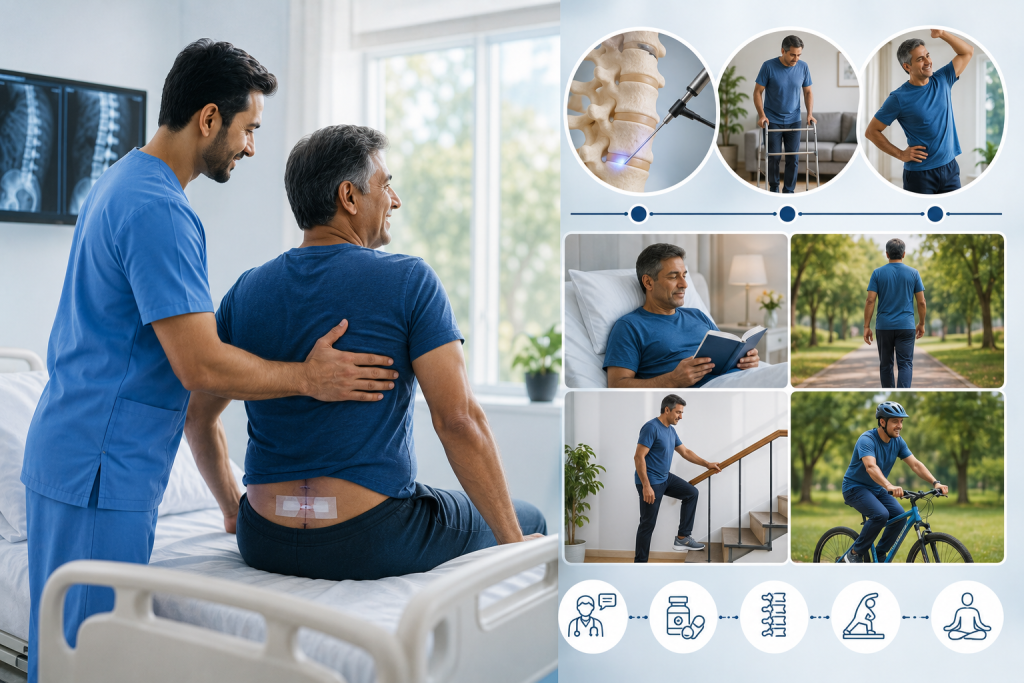
It’s important to understand that each person heals at a different rate after endoscopic spine surgery. Most people, however, are able to return to light activities within a few weeks or days of having endoscopic surgery.
Your surgeon may recommend you:
- Gradually resume daily activities
- Physical therapy or other therapy when needed
- Avoid heavy lifting activity until fully healed
- Regular follow-up visits with your doctor to monitor healing progress
Should ongoing back or neck pain be limiting your daily functioning, consult a specialist for a comprehensive evaluation. Spinal care patients at Reopine benefit from advanced, personalized treatment focused on addressing the unique challenges of each.
Conclusion
When patients have an adequate understanding of what endoscopic spine surgery is and is endoscopic spine surgery safe, they can make a well-informed decision that takes into account their specific spinal health needs. Minimally invasive surgery, with its lower tissue trauma, smaller incisions, less invasive approach, faster recovery periods and thorough care for carefully chosen patients, is becoming an attractive choice for many patients.
FAQs
Endoscopic surgery is typically used for patients with herniated discs, spinal stenosis, sciatica and certain degenerative spine conditions which cause nerve compression and pain.
Yes, endoscopic spine surgery is safe when performed by experienced spine surgeons on carefully chosen patients. As with any other type of surgery, there is a degree of risk involved. Discuss your options with your doctor.
Recovered faster compared to open surgery and can gradually resume light activity within a few days or weeks depending on the type of procedure and the individual patient.