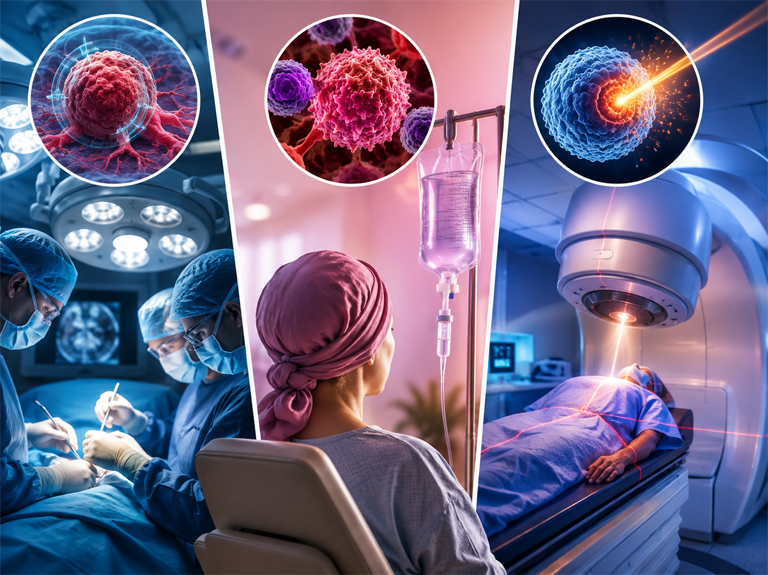
What Are the Top 3 Types of Treatment for Cancer? What to Expect?
Cancer is still one of the most fatal diseases people know about; however, the word “cancer” no longer marks the end of one’s life. Cancer is curable, and even when it’s not, proper management and treatment can prolong the lifespan of patients and allow them to enjoy a great quality of life.
The advent of a series of new cancer treatments, such as targeted therapy, hormone therapy, immunotherapy, etc., has played a crucial role in changing the lives of cancer patients. However, the basic line of treatment for cancer involves three treatment types that have been used for decades: surgery, radiation therapy, and chemotherapy. Introduction of new techniques and technologies, however, has made them more effective than before. The section below will help you understand what you can expect from these three treatments.
Top 3 Types of Treatment for Cancer
1. Surgery
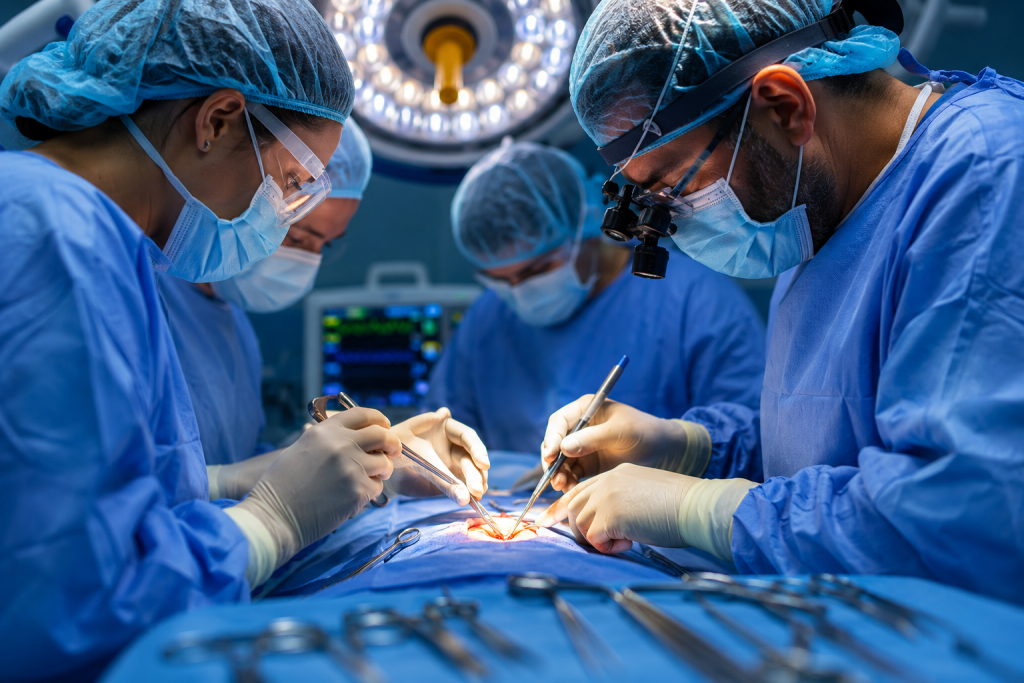
During a cancer surgery, the surgeon removes all the cancer cells detected during various diagnostic tests conducted before the procedure. On most occasions, the surgeon also removes some surrounding healthy tissue. All the operated parts are then sent to the pathologists. The cancer tissues are tested for grading and staging for the disease, while the healthy tissues are tested to ensure that the disease has not spread beyond the identified margin.
Surgery is often the first line of treatment for cancer that has not metastasised or spread and is extremely effective in sending the disease into remission. Here, you must note that certain cancers, such as various forms of blood cancer, cannot be treated with surgery.
Surgeons don’t recommend surgery as the first step of cancer treatment when the tumour is excessively big or when a part of the tumour is inside an important organ. They also don’t make patients go under the knife when the tumour is tangled with major blood vessels.
2. Radiation Therapy
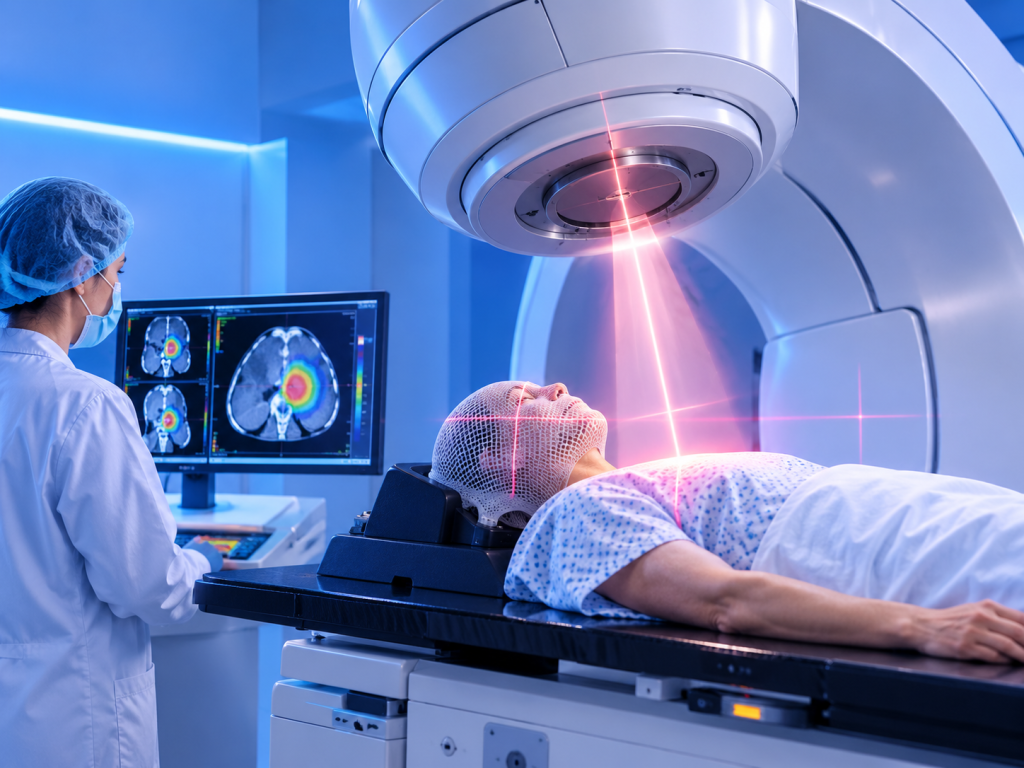
As its name suggests, radiation therapy involves the application of high radiation doses for destroying tumours. The therapy breaks down and kills the cancer cells forming the tumours.
Radiation therapy can be administered both externally and internally. The process that applies radiation outside the patient’s body in a way so that it is directed towards the tumours is called EBRT or External Beam Radiation Therapy.
The process that kills cancer cells using tiny radioactive pellets and other implants on the tumours or around them is called Internal Radiation Therapy or Brachytherapy. Internal Radiation Therapy may be done during surgeries or as an outpatient procedure using catheters or needles.
There’s a third type called Hyperthermia Therapy that uses radiation in the form of heat to reduce the size of tumours by killing cancer cells. The process is often used to increase the efficacy of other cancer treatments.
Radiation can be the only treatment a patient receives, or it can be used in combination with chemotherapy and other cancer treatments. The use of radiation therapy after surgical removal of tumours is also common. Doctors use it to destroy remaining cancer cells, if any.
3. Chemotherapy
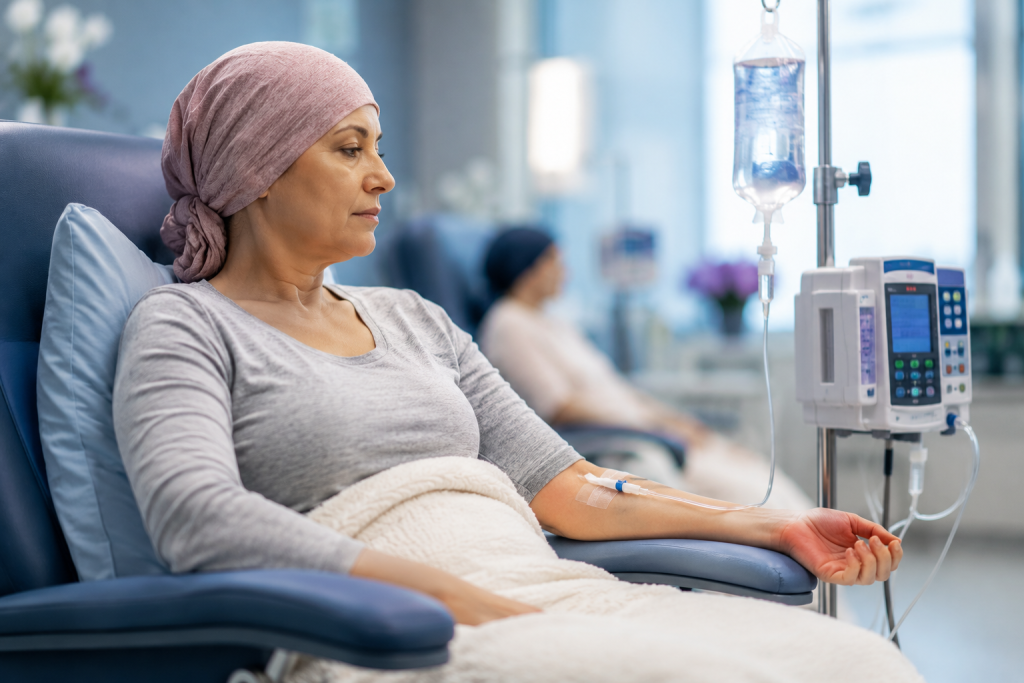
Chemotherapy kills cancer cells by administering various medicinal drugs. That’s the reason why this field of cancer treatment is referred to as medical oncology.
The drugs are mostly administered in the form of intravenous fluids or as injections. In some cases, patients are given oral pills. Doctors decide the mode of administration of chemotherapy depending on the type of cancer, characteristics of the drugs, and whether the therapy is curative or palliative.
Once administered, the chemotherapy drug destroys the rapidly growing cancer cells as it moves through the patient’s bloodstream. Certain chemotherapy drugs are injected directly into the body part with cancer cells or into an artery leading to the tumour.
Chemotherapy is the most common treatment for metastatic cancer. It can be used alone as well as in combination with radiation therapy and/or surgery.
Conclusion
Patients diagnosed with cancer must ensure that they are treated by a qualified and experienced oncologist. Taking a second opinion is also advisable, considering that a wrong diagnosis and treatment can worsen the condition of the patient and even cause death.
One platform you can trust, irrespective of whether you need a first or second opinion, is Reopine. The platform will connect you to the best oncologists in India. All you will need to do is visit Reopine and book your appointment.