
Second Opinion For Cancer Treatment In India: What Patients Must Know Before Starting Chemotherapy Or Surgery
The diagnosis of cancer can make all things urgent. The Indians advise many patients to start treatment at once, and that is really the case. But ‘speedily’ does not imply ‘without clearness’. In most instances, a brief, thoughtful break before crucial decisions, such as chemotherapy or surgery, is taken in India to seek a second opinion on the diagnosis, extent, and treatment plan, which would help validate the diagnosis and stage. Cancer incidence in the world in 20201, as per the Global Cancer Observatory (GLOBOCAN), estimates the rate to be 19.3 million.
What Is A Cancer Second Opinion?
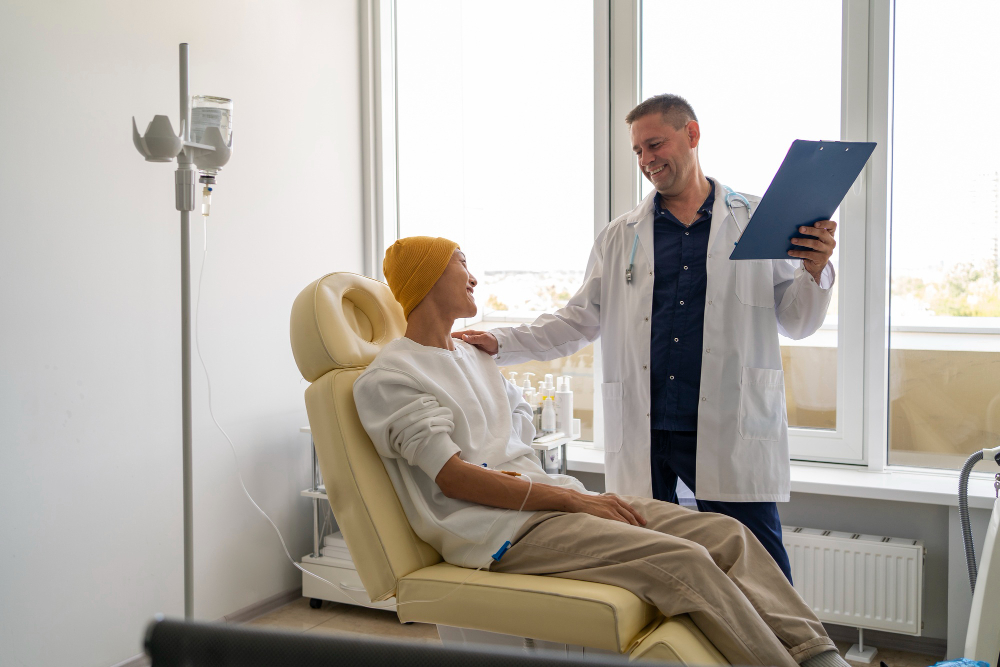
A second opinion involves meeting with another cancer specialist who will review your reports, scans, biopsy results, and staging and offer a treatment plan. It does not imply that you do not trust your initial doctor. Second opinions are common in oncology, and according to major cancer centres, most physicians are open to them, especially when treatment can be delivered by surgery or complex systemic therapy.
The second opinion, in straightforward terms, would assist in answering the following questions:
• Is it the correct diagnosis?
• Is the cancer stage correct?
• Is this the optimal time to have surgery?
• Am I required to undergo chemotherapy at the moment?
• Is there anything less, safer, or more specific?
It is the question of why there are so many families asking, ” Should I get a second opinion on cancer? The yes answer is likely to occur in the majority of meaningful cancer choices, especially when the treatment is high-risk, costly, life-altering, or uncertain.
Why A Second Opinion Before Chemotherapy Matters
For this reason, it can be particularly useful to get a second opinion before chemotherapy since chemotherapy is a drug treatment that cannot be used in a one-size-fits-all manner. The specific medications, treatment schedule, timing, and purpose are determined by the type of cancer, stage, molecular profile, and the patient’s general health.
According to authoritative sources of information regarding cancer, chemotherapy could be administered before surgery in order to shrink a tumour, after surgery to kill leftover cancerous cells or as the sole mode of treatment in some types of cancer.
That is to say that one physician can prescribe instant chemotherapy, and another can prescribe:
• surgery first,
• before treatment, more tests,
• targeted therapy or immunotherapy should there be a need,
• another treatment protocol,
• or even not having to undergo chemotherapy when the likelihood of success is low.
Another opinion can also be given to assist you in the purpose of undergoing chemotherapy. Is preoperative tumour-shrinking selected as curative, preventive, or primarily symptom control? Patients must never begin chemotherapy without being categorical on that behalf.
Why Is A Second Opinion Before Cancer Surgery Just As Important?
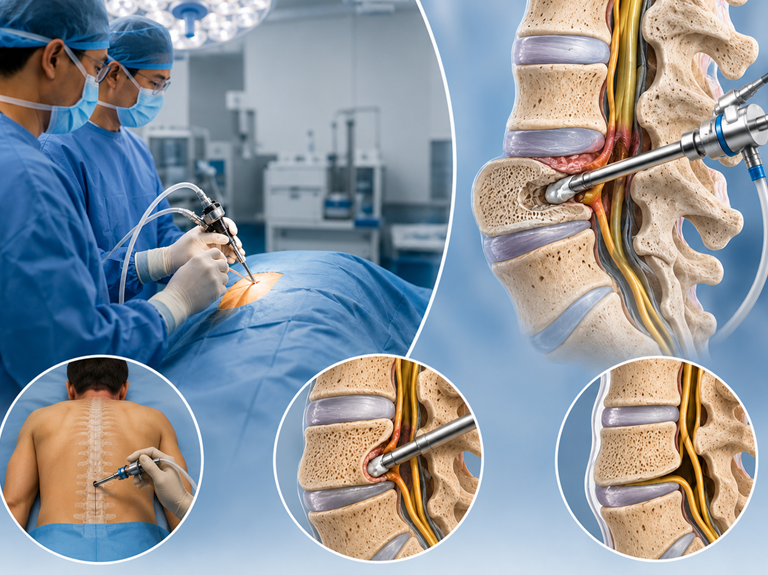
Surgery is usually proposed as the automatic follow-up, but it is a timing and sequencing issue when it comes to cancer treatment. Certain tumours require immediate surgery. Some respond more appropriately when chemotherapy or radiation is initially administered.
Before patients give consent to undergo surgery, they must be aware of:
• which specifically will be swept away,
• regardless of whether the surgical procedure is curative or diagnostic,
• whether there are organ-preserving substitutes,
• whether pre-surgery therapy would be able to enhance outcomes,
• and whether a specialised cancer surgeon will perform the procedure.
This is among the most compelling reasons to avail an Indian second opinion of cancer, particularly in cases where the surgery is extreme, irreversible, or function-modifying.
When Should You Definitely Seek A Second Opinion?
The second opinion is highly recommended when:
- You have been prescribed to commence chemotherapy as early as possible,
- surgery of some serious kind has been advocated,
- Your cancer is either rare or unusually aggressive,
- The biopsy report is incongruent,
- There are two reports, which do not coincide,
- alternatives had not been told to you about
- You desire to be referred to a specialist cancer centre or tumour board review,
- Or you simply are not quite convinced or informed.
In India, a number of cancer centres currently provide multidisciplinary review, with medical, surgical, and radiation team members jointly reviewing the same case. This may come in handy when the course of action is not so clear.
Will A Second Opinion Delay Treatment?
This is the dread that paralyses most of the patients. In practice, a second opinion only takes a temporary postponement in case the reports are arranged in a timely manner, and the appointments are made. Such a small action may provide clarity, confidence, and even an improved treatment plan for many patients. The point is, it is not necessary to delay endlessly. Request a second opinion within a short time, preferably at a specialised centre that can assess pathology, imaging, and staging.
Get Expert Second Opinions With Ease
Platforms like Reopine help patients get expert cancer second opinions quickly and securely. You can share reports online, consult top oncologists, and gain clear guidance before starting chemotherapy or surgery.
Final Thoughts
And therefore, should I have a second opinion on cancer? Yes, in most cases, particularly prior to chemotherapy or surgery. The second opinion is not related to fear or distrust. It is the best information that comes to make one of the most important choices of your life. For cancer patients in India, such an additional review could validate the plan, identify options, or simply provide peace of mind before treatment begins. The most appropriate moments to pose questions are before chemotherapy is initiated and before entering the operating theatre, not after.