What Are the 3 Types of Blood Cancer? Which One Is the Most Serious?
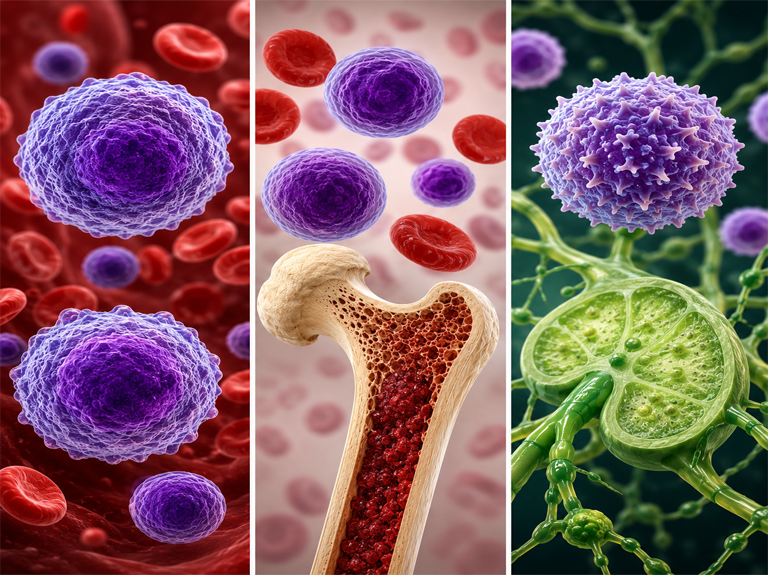
Blood cancer is a disease that begins in the blood, bone marrow, or the lymphatic system. It influences the blood cells production and functions. Red blood cells assist the body to combat infections, to carry oxygen, as well as prevent bleeding. These cells fail to work in the event of the development of blood cancer.
Blood cancer is of three major types. They are all of different types and should be treated differently. There are those which do not grow fast and those that can propagate at a high rate. The awareness of the differences can assist patients and families in their knowledge of the disease.
3 Types of Blood Cancer
1. Leukaemia
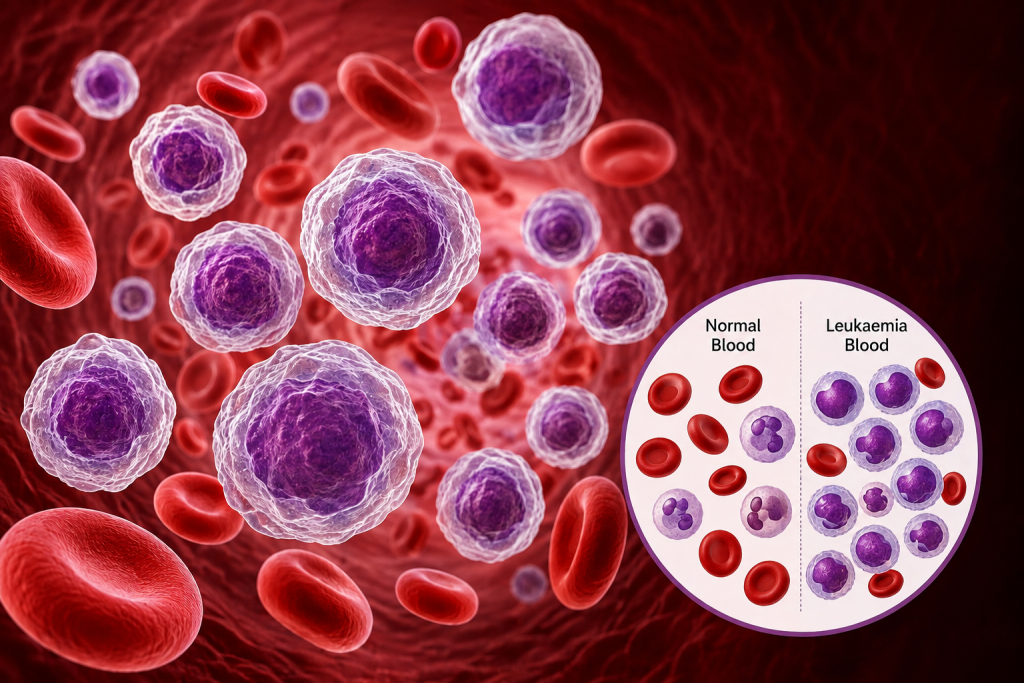
Leukaemia is a blood and bone marrow cancer. It leads to the production of excess (abnormal) white blood cells in the body. Such unhealthy cells prevent the normal blood cells from doing their work.
Common symptoms:
- Frequent infections
- Fever
- Tiredness
- Easy bruising or bleeding.
- Bone or joint pain
- Weight loss
Leukaemia may be either acute or chronic. Acute leukaemia develops very rapidly and normally requires immediate therapy. Chronic leukaemia tends to slow down, and in early phases, it might go undiagnosed.
2. Lymphoma
Lymphoma begins in the lymphatic system, which is an element of the body’s immune system. It affects white blood cells, lymphocytes.
Two types are:
- Hodgkin lymphoma
- Non-Hodgkin lymphoma
Common symptoms:
- Swollen lymph nodes
- Night sweats
- Fever
- Weight loss
- Tiredness
- Itchy skin
3. Multiple Myeloma
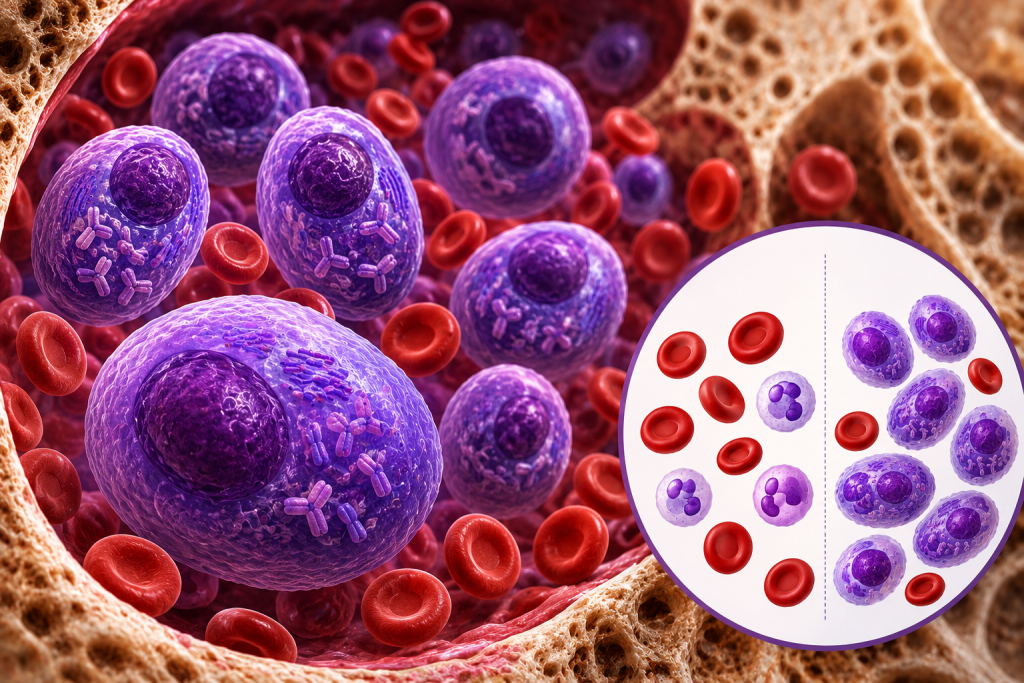
In multiple myeloma, the condition starts in plasma cells. They are a kind of white blood cell which assists in fighting infections when it produces antibodies.
These cells multiply in the bone marrow when they are cancerous, thereby destroying the healthy blood cells and bones.
Common symptoms:
- Bone pain
- Fractures or weak bones.
- Kidney problems
- Frequent infections
- Fatigue
- High calcium levels
Multiple myeloma is typically a chronic illness. Although it may not be a curable disease, modern treatment can contribute to the regulation of the disease and to a better quality of life.
Which Blood Cancer Is the Most Serious?
It does not have a single answer as each case of an individual is different.
Overall, acute leukaemia is thought to be the most severe as it develops rapidly. Failure to provide timely treatment can make it life-threatening in a few or several weeks.
Nevertheless, even advanced lymphoma and multiple myeloma may be quite serious, particularly when diagnosed late or when they are unresponsive to treatment.
The severity varies with a number of factors such as:
- The kind of blood cancer.
- The level of the disease.
- Age and general health of the patient.
- The response to treatment of the cancer.
How Is Blood Cancer Diagnosed?
Some of the tests that doctors can use to identify blood cancer include:
- Blood tests
- Bone marrow biopsy
- CT scan or PET scan
- MRI scan
- Lymph node biopsy
- Genetic or molecular testing
These tests help doctors identify the type of blood cancer and choose the best treatment plan.
Treatment Options
Therapy is based on the cancer type and stage of blood cancer. Common options include:
- Chemotherapy
- Radiation therapy
- Immunotherapy
- Targeted therapy
- Bone marrow or stem cell transplant.
- CAR T-cell therapy for selected patients.
When Should You See a Doctor?
Numerous symptoms of blood cancers may resemble typical diseases. Nevertheless, you cannot overlook symptoms which have a span of several weeks.
See the doctor when you have:
- Unexplained tiredness
- Frequent infections
- Bruising or bleeding easily
- Swollen lymph nodes
- Bone pain
- Unexplained weight loss
- Night sweats
Early medical care can make a big difference in treatment outcomes.
In Reopine, highly-skilled physicians offer high-level diagnosis, customised therapy regimens, and humane care for complicated disorders.
Conclusion
There are three major types of blood cancer, namely leukaemia, lymphoma and multiple myeloma. They all have different effects on the body and must be treated in a different manner. The most aggressive of them is acute leukaemia in that it can spread rapidly. Nevertheless, any blood cancer may turn out to be serious when not treated. Early diagnosis and learning about the symptoms would allow for better chances at successful treatment and a higher quality of life.