Different Types of Cardiologists & What They Do
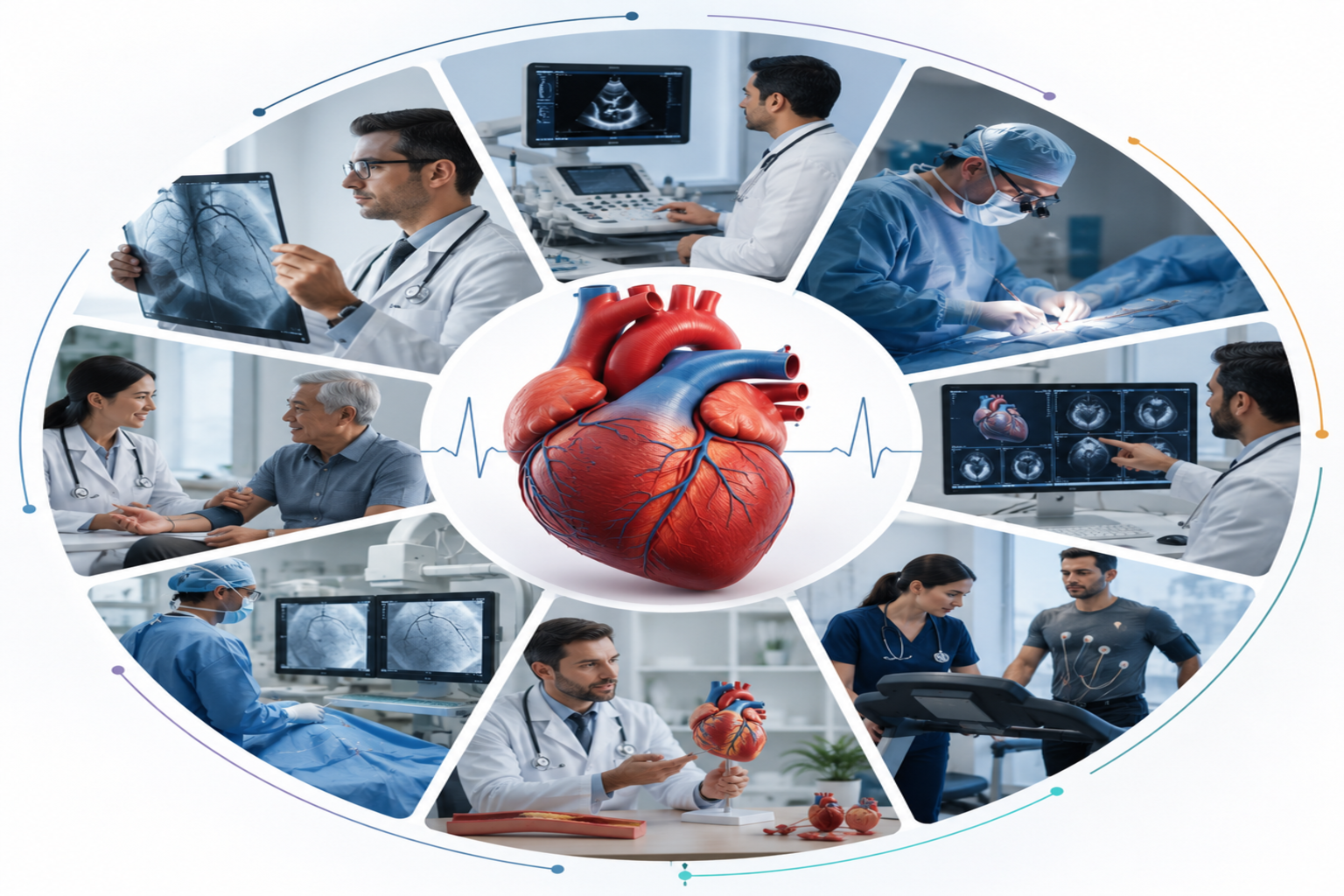
When you hear the word cardiologist, you may picture one type of doctor who treats every kind of heart problem. In reality, cardiology is a broad medical field with several subspecialties. Different cardiologists focus on specific conditions, treatments, or areas of the cardiovascular system.
Knowing the different types of cardiologists can make it easier to understand which specialist may be appropriate for your symptoms or diagnosis. Houston Methodist explains that cardiologists treat conditions ranging from high blood pressure and coronary artery disease to heart failure, arrhythmias, valve disease, and congenital heart problems.
What Does a Cardiologist Do?
A cardiologist is a medical doctor who specializes in diagnosing, treating, and managing diseases involving the heart and blood vessels. Depending on your condition, treatment may include lifestyle changes, medication, diagnostic tests, minimally invasive procedures, or coordination with a cardiac surgeon.
You may see a cardiologist because of symptoms such as chest discomfort, shortness of breath, palpitations, dizziness, or because you have risk factors such as high blood pressure, high cholesterol, diabetes, or a family history of heart disease.
Different Types of Cardiologists

1. General Cardiologist
A general cardiologist, sometimes called a non-invasive cardiologist, is often the first specialist patients see for heart-related concerns.
They evaluate symptoms, perform or order diagnostic tests, manage medications, recommend lifestyle changes, and monitor existing cardiovascular conditions. They may also refer you to a more specialized cardiologist if your condition requires advanced treatment.
You may be referred to a general cardiologist for high blood pressure, suspected coronary artery disease, abnormal test results, heart murmurs, or ongoing cardiovascular risk management.
2. Interventional Cardiologist
Interventional cardiologists specialize in minimally invasive procedures that diagnose and treat certain cardiovascular problems.
They commonly use thin tubes called catheters inserted through blood vessels, often through the wrist or groin, to reach the heart. Procedures can include angioplasty and stent placement to improve blood flow through narrowed or blocked arteries. Some interventional cardiologists also perform catheter-based treatments for certain heart valve conditions.
These specialists may become involved when someone has significant coronary artery disease, a heart attack, or certain valve problems.
3. Electrophysiologist
An electrophysiologist (EP) is a cardiologist who focuses on the heart’s electrical system and abnormal heart rhythms.
If you experience frequent palpitations, an irregular heartbeat, unexplained fainting, or have been diagnosed with atrial fibrillation, an electrophysiologist may be involved in your care.
Depending on the condition, treatment may include medication, catheter ablation, a pacemaker, or an implantable cardioverter-defibrillator.
4. Heart Failure Specialist
Heart failure specialists focus on patients whose hearts cannot pump blood effectively.
They help manage complex or advanced heart failure through medications, lifestyle recommendations, devices, and other therapies. For patients with severe disease, these specialists may also coordinate advanced treatments such as mechanical circulatory support or heart transplantation.
If symptoms such as breathlessness, fatigue, or swelling continue despite treatment, your doctor may recommend evaluation by a heart failure specialist.
5. Cardiac Imaging Specialist
Cardiac imaging specialists have advanced expertise in using and interpreting tests that create detailed pictures of the heart.
They may specialize in echocardiograms, cardiac CT scans, or cardiac MRI. These images can help doctors evaluate heart structure, blood flow, heart muscle function, valves, and other abnormalities.
You may not always meet this specialist directly, as they often work behind the scenes by interpreting sophisticated cardiovascular imaging studies.
6. Adult Congenital Heart Disease Specialist
Some people are born with structural abnormalities of the heart. Although these conditions may be treated during childhood, they can require specialized monitoring throughout adulthood.
Adult congenital heart disease (ACHD) specialists understand the long-term effects of congenital heart conditions and previous surgeries or procedures. They can help adults manage ongoing heart issues and coordinate care during important life stages, including pregnancy when appropriate.
7. Preventive Cardiologist
Preventive cardiologists focus on reducing the risk of developing cardiovascular disease or preventing existing disease from getting worse.
They may work with patients who have high cholesterol, high blood pressure, diabetes, obesity, a strong family history of heart disease, or other cardiovascular risk factors.
Their approach often combines lifestyle changes, risk assessment, medications when appropriate, and regular monitoring.
8. Cardio-Oncologist
Cancer treatment can sometimes affect the cardiovascular system. A cardio-oncologist specializes in protecting and managing heart health in people undergoing cancer treatment or those who have previously received cancer therapy.
They may monitor patients for cardiovascular complications associated with treatments such as chemotherapy or radiation and work closely with oncology teams.
Cardiologist vs. Cardiac Surgeon
Although they both treat heart conditions, cardiologists and cardiac surgeons are not the same.
Cardiologists generally diagnose and manage cardiovascular conditions and may perform catheter-based procedures. Cardiac surgeons, on the other hand, perform operations such as coronary artery bypass surgery, valve surgery, and certain other open or robotic procedures.
Some patients may need both specialists as part of a coordinated treatment plan.
How Do You Know Which Cardiologist You Need?
You usually do not have to determine the exact subspecialty yourself. Your primary care doctor or general cardiologist can evaluate your symptoms and medical history and refer you to the appropriate specialist when necessary.
If you are looking for a heart specialist, Reopine can help you connect with experienced doctors through its online platform. You can explore specialists based on their medical specialty and find the right professional for your cardiovascular care or a second medical opinion.
When Should You See a Cardiologist?
You should discuss cardiology care with a healthcare professional if you have symptoms such as recurring chest discomfort, unexplained shortness of breath, heart palpitations, dizziness, fainting, or swelling. Cardiologist evaluation may also be appropriate when you have significant cardiovascular risk factors or an existing heart condition.
However, sudden or severe chest pain, severe breathing difficulty, fainting, or other symptoms that could indicate a heart attack or another emergency require immediate emergency medical care, rather than waiting for a routine cardiology appointment.
Final Thoughts
Cardiology includes several specialized areas, from general heart care and prevention to interventional procedures, electrical rhythm disorders, advanced heart failure, imaging, congenital heart disease, and cardio-oncology. Understanding these differences can help you have more productive conversations with your healthcare team. The right specialist depends on your symptoms, diagnosis, medical history, and treatment needs. If you are unsure where to start, a primary care doctor or general cardiologist can help guide you toward the appropriate cardiovascular specialist.