Liver Cancer: Main Causes, Symptoms, and Best Treatment Options
The liver does a lot of work in the background. It helps digest food, stores energy and removes waste from the blood. Most people hardly notice it is there. That can change when something goes wrong, especially because liver cancer may cause very few signs in the beginning.
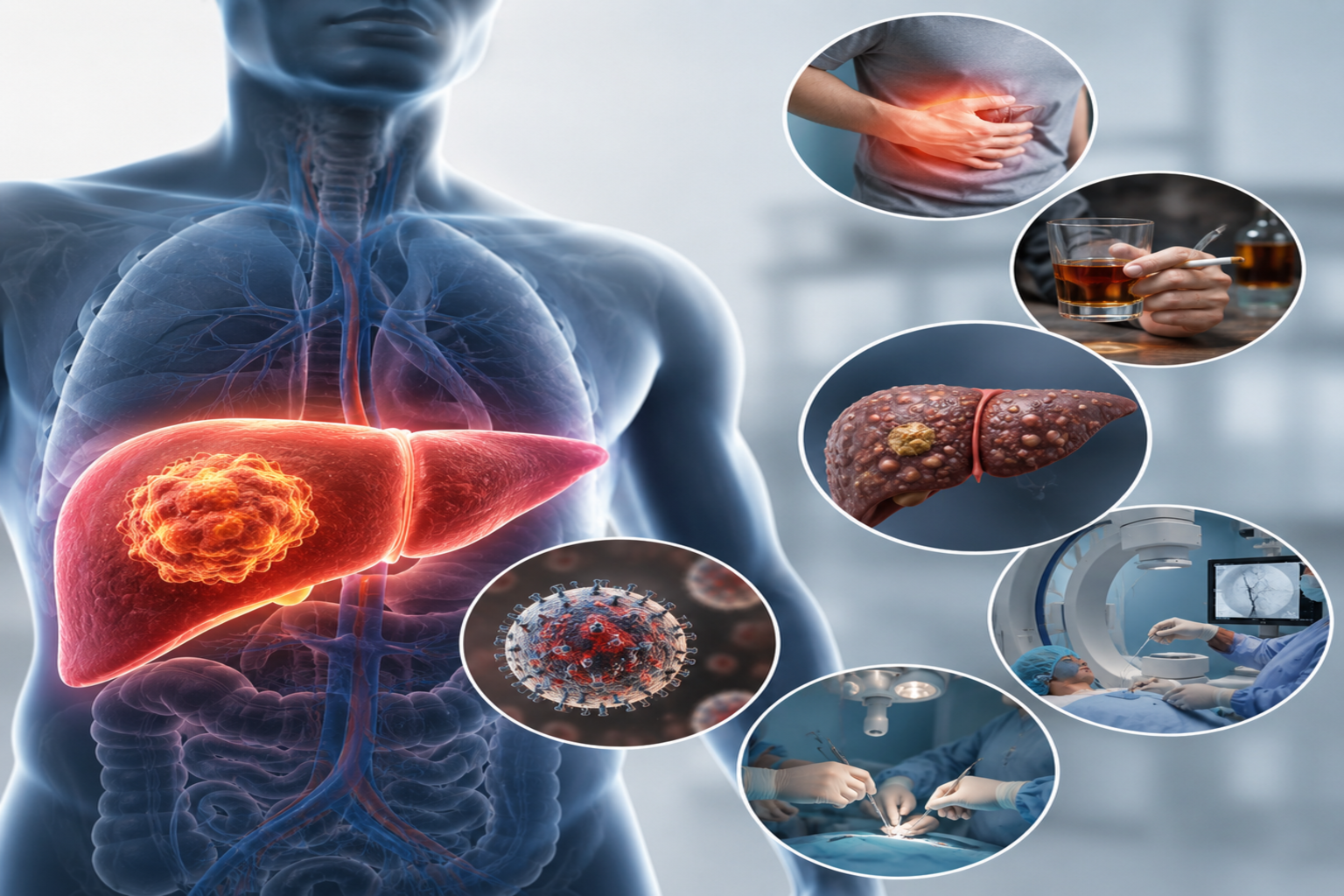
Liver cancer begins when abnormal cells start growing in the liver. The type seen most often in adults is hepatocellular carcinoma, or HCC. This is different from a cancer that starts in another part of the body and later spreads to the liver.
So, what should you actually watch for? It helps to start with the things that can put the liver at greater risk.
What Are the Main Causes of Liver Cancer?
There is not one cause behind every case. Quite often, liver cancer develops after the liver has been under strain or damaged for years.
Common risk factors include:
- Hepatitis B or C: When these infections last for years, they can slowly damage the liver.
- Cirrhosis: This means the liver has become badly scarred. It is one of the better-known risks for liver cancer.
- Excessive alcohol consumption: Intensive drinking in the long run is hepatotoxic and results in cirrhosis.
- Fatty liver disease: Liver fat is a common phenomenon, but it may lead to inflammation and permanent damage in some individuals.
- Aflatoxins: Some moulds contain such toxins. They can be used to contaminate improperly stored food.
- Inherited conditions: A few conditions inherited through families, like hemochromatosis, can also increase the risk.
Common Liver Cancer Symptoms
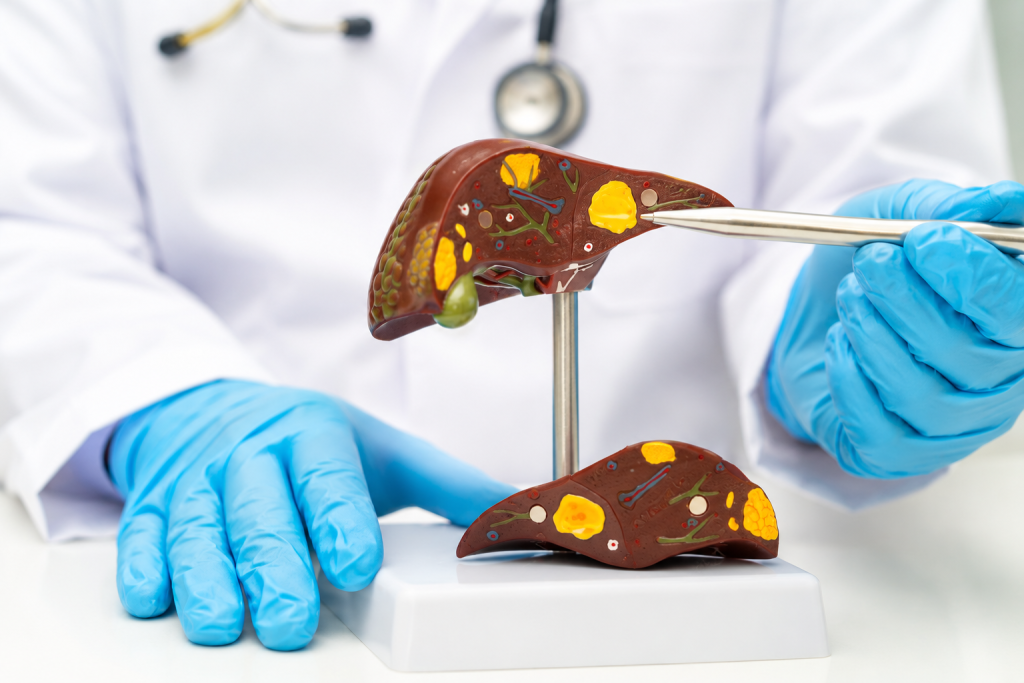
This is where liver cancer can be difficult to spot. Early on, there may be nothing unusual to notice. As it develops, however, a few changes can begin to appear.
Possible liver cancer symptoms include:
- Losing weight without trying
- Poor appetite
- Feeling full after eating a small amount
- Pain in the upper right side of the abdomen
- Nausea or vomiting
- Swelling in the abdomen
- Unusual weakness or tiredness
- Yellow skin or eyes, known as jaundice
- Easy bruising or bleeding
- Pale or chalky stools
Best Treatment Options for Liver Cancer
There is no treatment that can be called the “best” for every person with liver cancer. A small tumour found early is very different from cancer that has already spread. The condition of the liver matters as well. Doctors weigh all of this before recommending a treatment.
Surgery: If the tumour is in one area and enough healthy liver can be left behind, doctors may remove the part containing the cancer.
Liver transplant: Certain individuals with cancer that has not spread too far into the liver can undergo a transplant. It is just appropriate in some instances.
Ablation: Doctors can destroy it rather than excise a small tumour. This can be done using heat or other methods.
Embolisation: Tumours need blood to grow. Embolisation blocks or reduces that blood supply. TACE is one form of this treatment and can also carry medicine directly to the tumour.
Radiation therapy: Radiation can be aimed at the cancer to damage or destroy its cells. It may be useful when other local treatments are not suitable.
Immunotherapy and targeted medicines: For more advanced liver cancer, medicines may become an important part of care. Immunotherapy helps the immune system respond to cancer. Targeted drugs work on particular features that cancer cells rely on to grow.
Reopine offers straightforward health information on illnesses, treatments and patient care. Reading about a condition beforehand can also help you make a list of questions to take to your next medical appointment.
Final Thoughts
Liver cancer can be quiet at first. That is one reason people with hepatitis, cirrhosis or another long-term liver condition should talk to their doctor about their own risk and whether they need regular checks. For everyone else, the message is simple: pay attention when your body changes. Unexplained weight loss, yellowing of the skin or eyes, swelling in the belly or pain that does not go away deserves a medical check.