Knee Pain: What It Is, Causes, Treatment
You may not think much about your knees until one of them starts hurting. Then everyday things like getting out of bed, walking to the kitchen, using the stairs or sitting down can suddenly feel harder than usual. Sometimes the reason is obvious, such as a fall or a sports injury. At other times, knee pain seems to appear without any clear cause.
Knee pain is very common and can happen at almost any age. It may last only a few days, or it can continue for months. What matters most is finding out why it hurts, especially when the pain keeps coming back.
The knee is made up of bones along with cartilage, muscles, ligaments and tendons. If one of these parts is injured or irritated, you may feel pain. Some people feel a dull ache. Others notice a sharp pain when they bend or put weight on the knee. Swelling, stiffness or a feeling that the knee may give way can also happen.
What Can Cause Knee Pain?
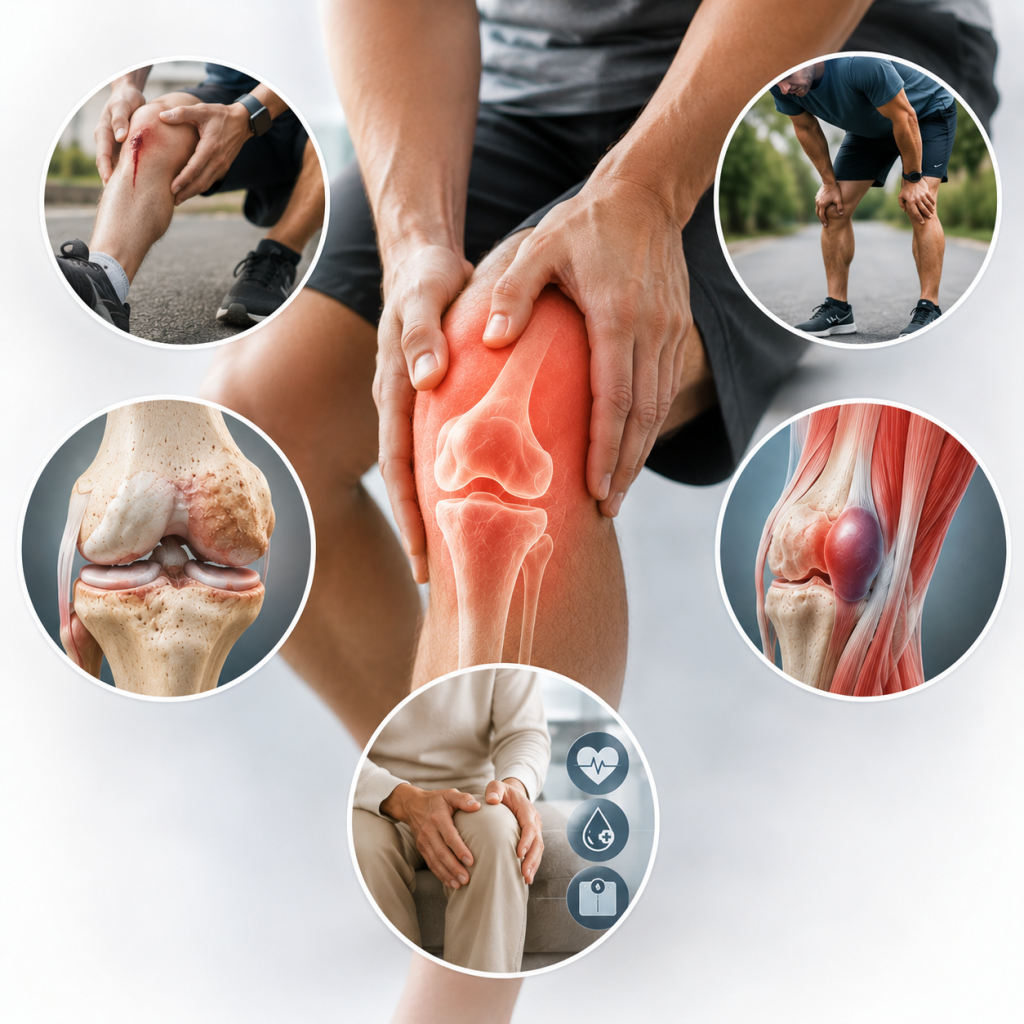
There are many possible reasons, and not every painful knee has the same problem.
An Injury
Knee pain often starts after a fall, sudden twist or awkward movement. Sports can also put the knee under extra pressure. Injuries may affect a ligament, tendon or the meniscus, which is the cartilage that helps cushion the knee.
Doing Too Much Too Soon
Have you recently started running, walking longer distances or exercising more often? A sudden increase in activity can leave the knee sore. Repeated bending, jumping or climbing can also irritate the tissues around it.
Osteoarthritis
As we get older, the cartilage inside the knee can gradually wear down. This is known as osteoarthritis. The knee may feel stiff when you first get up, ache after activity or become swollen from time to time.
Tendonitis or Bursitis
Repeated movement can irritate the tendons around the knee. The small fluid-filled sacs that cushion the joint can also become inflamed. Both problems may cause tenderness and pain during movement.
Other Health Problems
Gout and rheumatoid arthritis can affect the knee too. In rare cases, pain with redness, warmth, swelling and fever may be linked to an infection and needs quick medical attention.
What Can You Do for Knee Pain?
The appropriate treatment would rest on the causes of the pain. To treat a mild strain or overuse issue, a little rest can be all that is needed to begin to feel better. Take a break from the activity that caused the pain, but you do not necessarily have to rest.
Swelling and soreness can be treated with an ice pack, which is covered with a towel. Take in small doses and never apply ice directly to the skin.
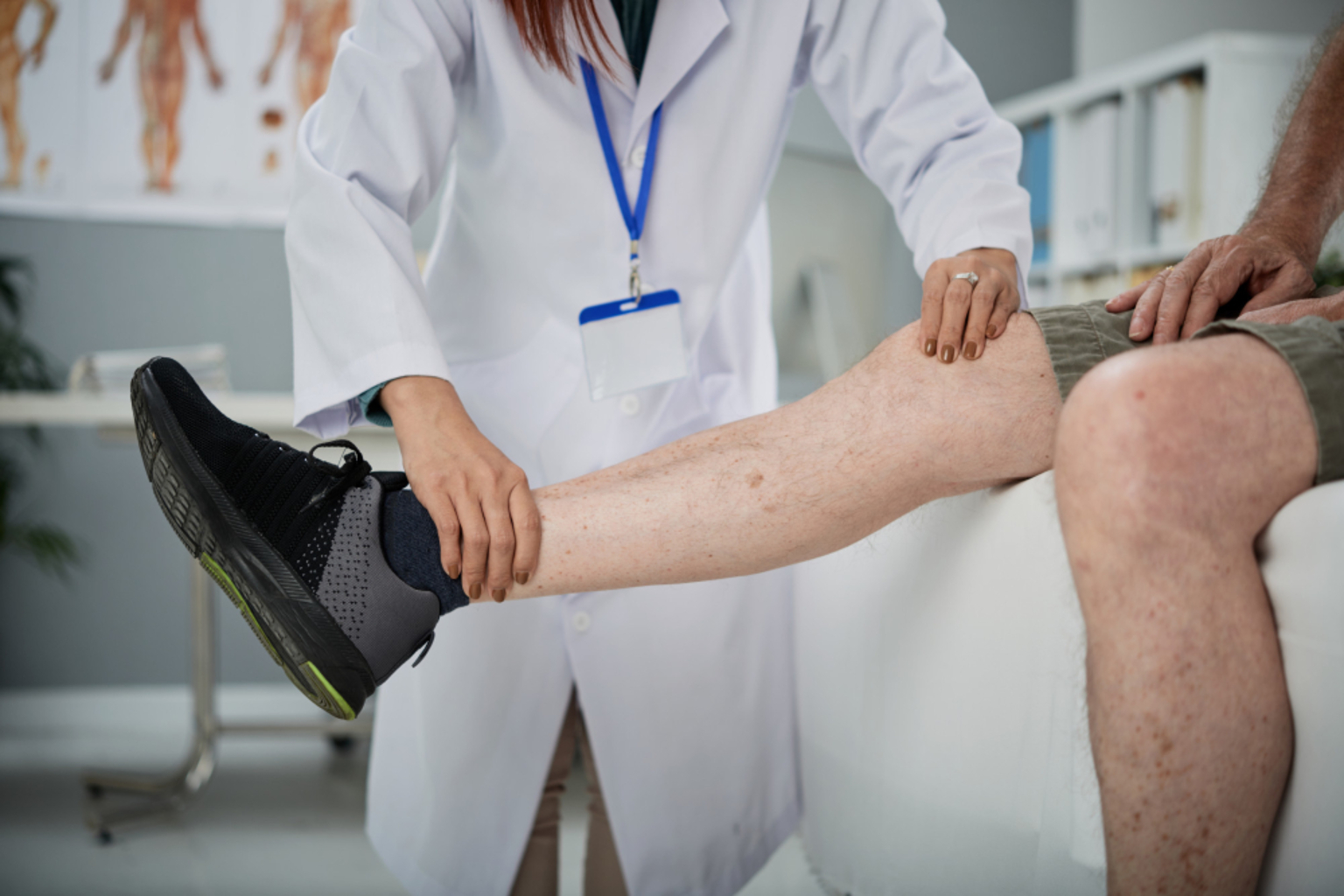
When the knee begins to rest, light movements may be helpful. Light exercises can work to keep the joint flexible and tighten the muscles around the joint. If you are unsure what exercises are safe, you can be assisted by a physiotherapist.
In certain cases, pain medicine can assist; however, opt to consult with a physician or pharmacist in case of confusion on what to take. In case of knee problems that are longer lasting, treatment can involve physiotherapy, injections or in some instances surgery.
The health issues already consume enough of your time, and managing medical concerns can be stressful. Reopine makes it easier to connect with verified specialists in India for secure online consultations and first or second medical opinions, helping patients access expert care conveniently from anywhere in the world.
Final Thoughts
When one has a sore knee, it is not necessarily something serious. It can just take time, less activity and proper care. But pain that lingers is worth noting. Be aware of what your knee is saying, do not strain during intense pain and consult a physician when something is not right.