What Is Spinal Decompression Surgery? Benefits, Risks & Safety Explained
Your orthopaedic will advise you to undergo a spinal decompression surgery when you are diagnosed with a condition like spondylolisthesis, herniated discs, or spinal stenosis.
Excess pressure on the nerves and/or spinal cord is a common problem observed in patients suffering from the above conditions. The surgery helps relieve that pressure and reverse other associated symptoms such as impaired mobility and pain. According to experts, despite its risks, doctors recommend spinal decompression surgery as it improves the quality of life of patients dealing with severe back issues significantly.
What Are the Different Types of Spinal Decompression Surgery?
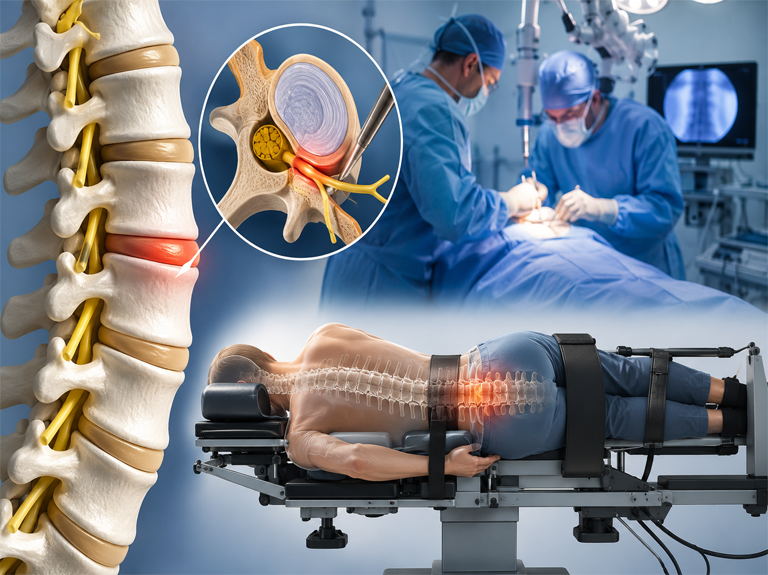
Before getting introduced to different types of spinal decompression surgery, you must learn that spinal decompression can also be a non-surgical procedure. The non-surgical version is essentially a motorised traction therapy that helps stretch the patient’s spine and offer him/her relief from neck, back, and/or sciatica pain.
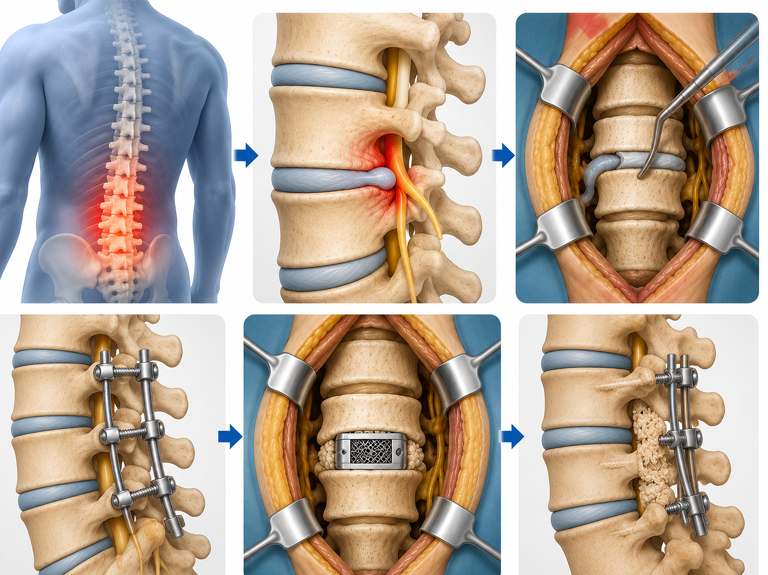
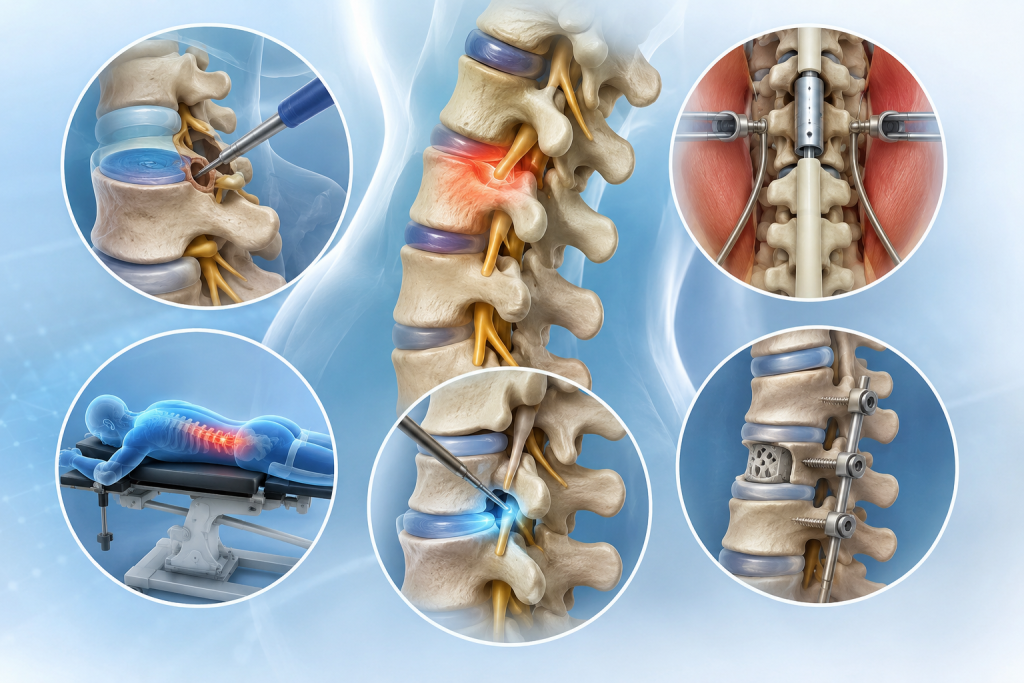
When it comes to spinal decompression surgery, there can be four different types. The first one that removes a part of the patient’s vertebra is called a laminectomy. The second one that widens the patient’s foramen and opens the area through which nerves exit the spinal cord is called a foraminotomy.
The third type is discectomy, which involves the surgical removal of damaged or herniated disc material. The fourth one, i.e., corpectomy, involves surgical removal of discs to offer relief from severe compression.
In addition to the above types, there’s a minimally invasive option. It’s called MISS. The procedure involves the use of advanced surgical tools and is done by making tiny incisions on the patient’s body.
Benefits of Spinal Decompression Surgery
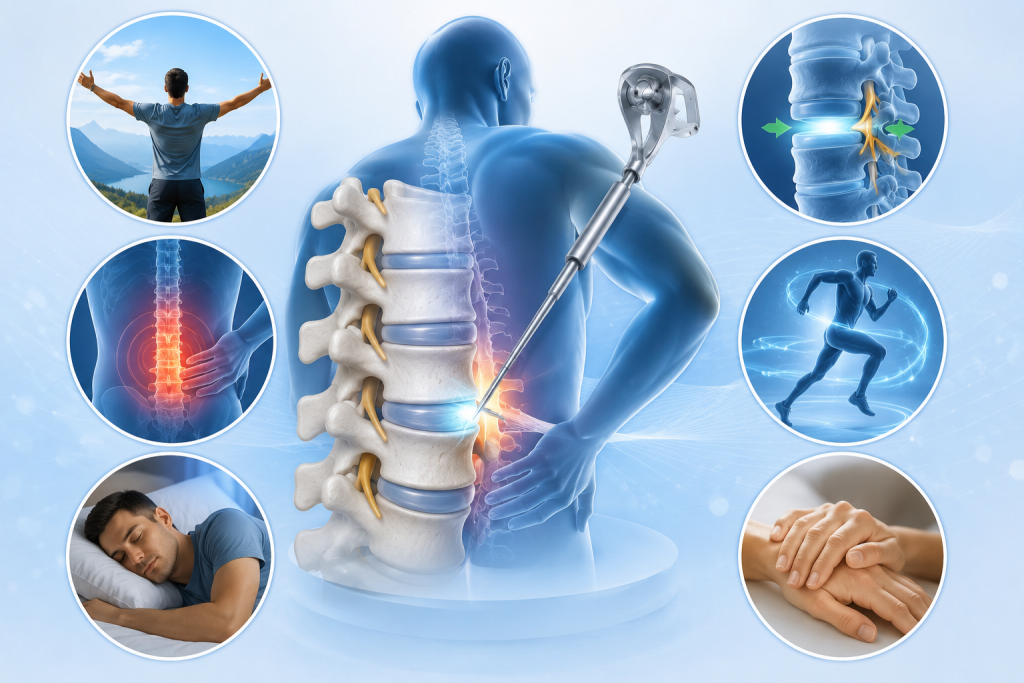
The biggest advantage of undergoing this surgery is a significant and almost instant reduction in extreme nerve pain, weakness, and numbness in the limbs. As the procedure involves the removal of the tissues responsible for putting pressure on the spinal cord, patients also tend to experience relief from lower back pain. The pointers below have more info:
- The surgery is instrumental in eliminating sharp and radiating nerve pain resulting from conditions like herniated discs or bone spurs.
- Patients undergoing the procedure have been found to experience notable improvement in their mobility. Most of them start doing chores and get back to their normal professional life once the surgery is successful. The surgery brings back an individual’s ability to stand without experiencing neurogenic claudication or leg fatigue.
- Doctors recommend spinal decompression surgery to prevent irreversible nerve damage. When the integrity of the nerves is preserved, the chances of developing issues such as limb weakness and loss of bladder/bowel control are significantly reduced.
- When a patient experiences mechanical compression of the nerves and spinal cord, the only way he/she can lead a normal life is by taking painkillers. It’s a widely known fact that long-term use of pain medications can trigger kidney and liver issues. A spinal decompression surgery successfully prevents such events by reducing the patient’s dependence on painkillers.
Risks of Spinal Decompression Surgery
Although the surgery is highly beneficial, it has certain risks. They are:
- Patients may suffer nerve injury, which can result in lasting pain, numbness, and weakness.
- Like any other surgical procedure, this one also leaves patients at risk of developing infections and experiencing excessive bleeding.
- The chances of experiencing blood clot formation in the lungs and legs are high in patients undergoing spinal decompression surgery.
- As the procedure involves the removal of bones, it can reduce the stability of the spinal cord, and the patient may need to undergo a fusion procedure in the future to correct the problem.
Some Safety Measures
The good news is that all the above risks can be mitigated successfully. Here are a few effective safety measures:
- Consider undergoing a minimally invasive spinal decompression surgery. It reduces the chances of infections and bleeding.
- Doctors eliminate possibilities of nerve damage during surgery by performing intraoperative neuromonitoring.
- You can prevent post-operative complications by following the protocols mentioned by your surgeon.
Conclusion
Your doctor has advised you to undergo a spinal decompression surgery, but you are still confused whether its benefits outweigh the associated risks. In such cases, taking a second opinion is advisable.
Visit Reopine and schedule an appointment with an orthopaedic surgeon. Reopine’s panel of orthopaedics consist of the biggest names in India. Meet one of them for a virtual consultation and find out what would be the best solution for your spinal issues.