Bypass Surgery: Do’s and Don’ts, How Long It Takes, and Is It Safe?
Heart problems becomes serious when the arteries that supplies blood to the heart is blocked. In several cases, doctors gives recommendation of bypass surgery for restoring proper blood flow and enhance functioning of heart.
Even if the term “heart surgery” might sound frightening, bypass surgery has now become one of the common and successful treatment for patients having severe coronary artery disease.
Prior to the procedure, patients and families often have some questions. Some of the questions are:
- How long bypass surgery takes?
- How safe is bypass surgery?
- What are the precautions to be taken after surgery?
A proper understanding of the whole process of recovery and safety aspects can assist patients in feeling more confident and be prepared for the treatment.
What is bypass surgery?
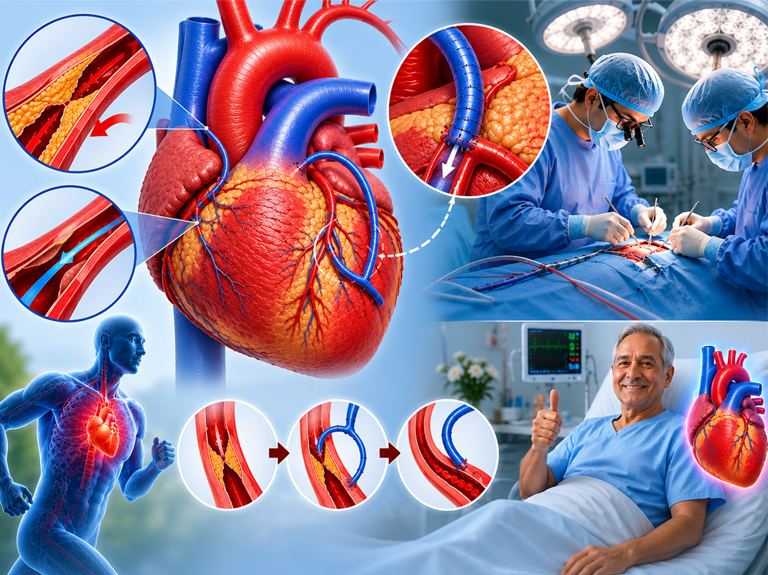
Bypass surgery, also called Coronary Artery Bypass Grafting, is a surgical process done for increasing flow of blood to the heart. When arteries are narrowed or becomes blocked due to buildup of plague, the heart might not get the required oxygen rich blood.
In bypass surgery, surgeons make use of healthy blood vessel from another body part, like leg, arm or chest for creating a new route for the blood to flow around the blocked artery.
The surgery benefits in
- Reducing chest pain
- Enhancing functioning of heart
- Lowering the heart attack risk
- Increasing breathing and levels of energy
- Enhancing overall quality of life
How long does bypass surgery takes?
The total duration of bypass surgery relies on how severe the blockage is and how many artery requires treatment. But generally, bypass surgery takes about 3-6 hours.
Duration of bypass surgery based on type of procedure
Single Bypass surgery
It takes about 3-4 hours
Double Bypass surgery
Might takes 4-5 hours approximately
Triple or Quadruple Bypass surgery
Takes 5-6 hours or long based on complexity
The surgery involves many steps like preparation of anesthesia, opening the chest, grafting of healthy blood vessels and supervising heart function during the process.
Post-surgery, patients are shifted to ICU for observation and recovery.
Do’s and Don’ts of Bypass Surgery
Do’s

- For a successful recovery, it is extremely important to follow proper care post-surgery. By following all healthy habits, healing becomes faster and complications decreases.
- Follow all medical instructions carefully: Always take prescribed medicines on time attend all follow up appointments on regular basis.
- Walk on daily basis: Light walking enhances blood circulation and assists in regaining physical strength.
- Eat a heart healthy diet: A healthy diet plays an important role in recovery. Drink enough water and decrease intake of salt.
- Maintain cleanliness around surgical area: Proper care of the wound assists in preventing infection. Keep the incision area clean and dry.
- Have proper rest: The body requires enough sleep and relaxation for healing after surgery
- Stress management: Mental health is also important at the time of recovery. Meditation, light yoga and positive routines might assist in decreasing stress and anxiety.
Don’ts
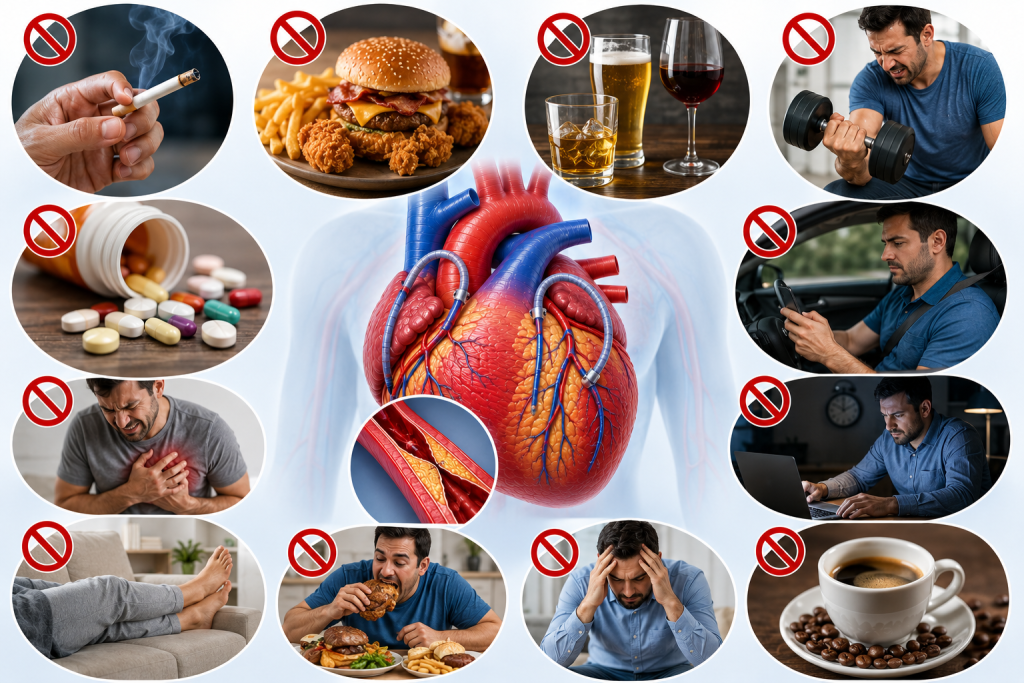
Certain activities and habits must be avoided at the time of recovery
- Do not smoke: Smoking damages blood vessels and increase the heart problems risk.
- Avoid heavy lifting: For several weeks avoid lifting heavy objects as the chest bone requires time for healing properly.
- Do not eat unhealthy foods: Refrains from unhealthy foods such as fried foods, processed snacks, excess sugar, fast food etc.
- Do not skip medications: Skipping medications can enhance the risk of complications like blood clots or irregularity in heartbeat.
Is Bypass surgery safe?
Yes, bypass surgery is considered safe and efficient, mainly when it is performed by well-experienced cardiac surgeons. Latest medical technology and enhanced surgical techniques have highly increased the rate of success of bypass surgery over the years.
Most of the patients recover fast and experience:
- Good heart function
- Better energy
- Decreased chest discomfort
- Good quality of life
Some of the possible risks are:
- Infection
- Bleeding
- Stroke
- Blood clots
- Kidney Complications
- Irregularity in heartbeat
The risk level depends on factors like:
- Age
- Diabetes
- Kidney disease
- Heart functioning
- Smoking habits
Patients following correct recovery guidelines and maintaining a healthy lifestyle experience positive outcomes in long term.
Get Expert Medical Guidance With Reopine
Taking decisions about heart surgery often feels overwhelming for both patients and families. Reopine assist patients in connecting with expert doctors for online consultations and for getting second opinions. Whether you are looking for guidance prior to bypass surgery, post-surgery care and advice or expert medical consultation from comfort of your home, Reopine provides access to trusted healthcare professionals across various specialties.
Conclusion
Bypass surgery is a major but one of the lifesaving process that assists in enhancing blood flow to the heart. It decreases the risk of getting serious cardiac complications. A proper understanding of how long the surgery takes, following all do’s and don’ts post-surgery and knowing the safety aspects can assist the patient in returning to normal and active lives post bypass surgery.