Do’s and Don’ts After Knee Replacement Surgery : Knee Replacement Surgery Cost in India
Knee replacement surgery involves the replacement of a damaged knee joint with implants. Medical practitioners also refer to the procedure as knee arthroplasty. Modern-day knee implants are made using a combination of metals, ceramics, and plastics.
Metals like cobalt-chromium alloys and titanium make the implant sturdy and durable, while medical-grade plastics help keep the surfaces between the robust metal parts smooth and easy to operate. Surgeons also often choose ceramic implants, which are extremely durable and biocompatible alternatives to the conventional metal ones. Here, you must note that the use of ceramic implants is more common in younger and active patients.
Irrespective of the type of implant your surgeon chooses for you, you must follow certain guidelines after the surgery. Ignoring these guidelines can not only affect the outcome of the procedure but can also result in post-operative complications. The section below explains the most crucial dos and don’ts after a knee arthroplasty.
Do’s After Knee Replacement

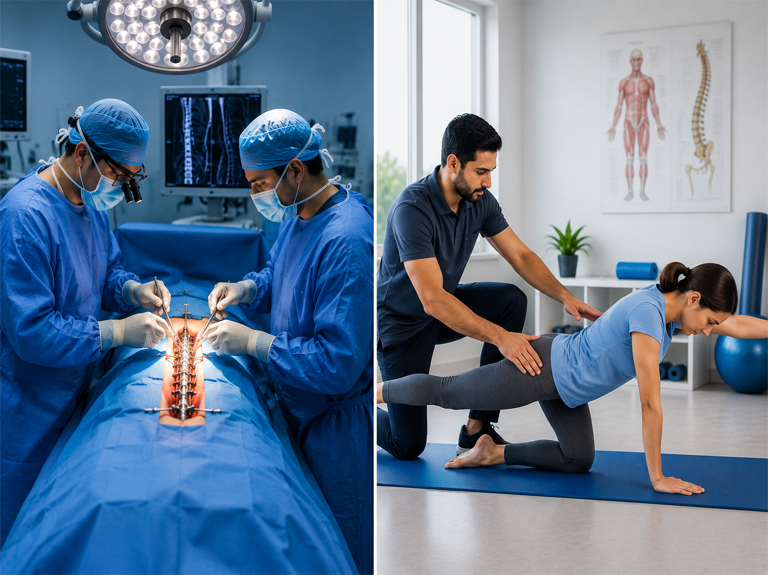
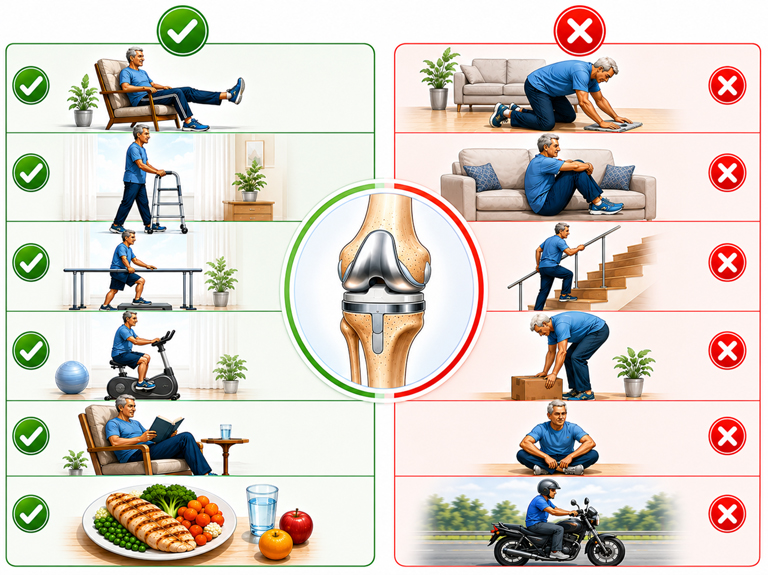
Hire a Physiotherapist : You cannot recover after a knee replacement if you don’t follow a strict physiotherapy schedule. Hiring an experienced physiotherapist will speed up recovery. The professional will help you perform exercises that gradually strengthen your knee and make it more flexible; eventually, you will experience a significant improvement in your range of motion. For the best results, use the services of the physiotherapist for at least 6 to 12 weeks.
Use Suitable Mobility Aids When You Begin Walking After Knee Replacement Surgery: Ideally, you should begin with a walker and then move to crutches and/or a cane as per your convenience. Using these mobility aids will ensure that you don’t fall and incur more injuries when recovering from the surgery. You should try walking without any support only when your physiotherapist or surgeon allows you to do so.
Consume All Prescribed Medicines: Your doctor may ask you to take analgesics and anti-inflammatory medicines for a couple of weeks following the surgery. Depending on the condition of the operated area, he may also prescribe a few doses of antibiotics. Additionally, the prescription can feature a few vitamins and calcium supplements. Follow the prescription strictly, even if you start feeling better.
Take Care of Your Diet: Consume fruits, vegetables, eggs, chicken, etc. Consuming a high-protein diet will promote tissue and bone healing. Vitamins and minerals boost your immunity and thus prevent infections.
Change the Dressing Every Day: Hire a professional to change your dressing every day. If you have budget constraints, you can visit a nearby hospital to get the dressing changed. It will help you keep the area dry and clean. Your chances of developing an infection at the operation site will also be low.
Don’ts After Knee Replacement
Don’t Miss Any Follow-up Appointments: Don’t miss visiting your surgeon for follow-up appointments. These visits are crucial as they allow the surgeon to check your progress and spot anomalies like post-surgical infections and deformities.
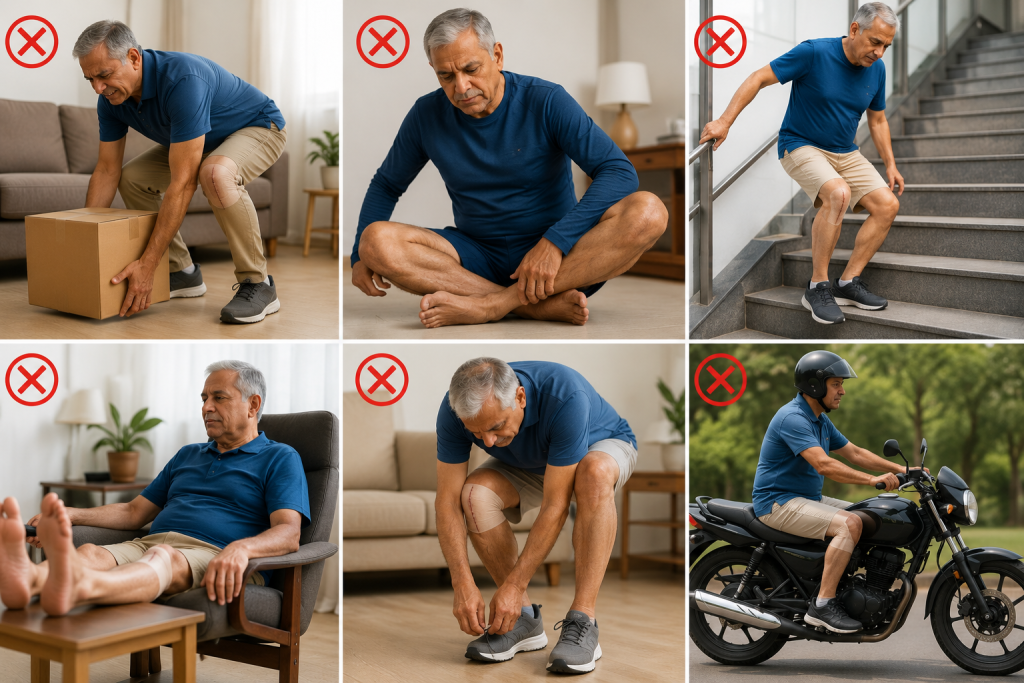
Don’t Stay in a Particular Position for Prolonged Duration: Don’t lie or sit constantly for several hours. This will leave you at a high risk of developing joint stiffness and blood clots. Ideally, you must change your position every hour. If that’s not possible, do a few ankle pumps every 30 minutes.
Don’t Ignore Signs of Blood Clots and Infections: If you notice that the site of surgery is turning red or warm, or if there’s any discharge, inform your doctor immediately. Also, speak to your doctor if there’s swelling. These are all signs of post-operative infections. You should also be wary of severe pain around the surgery site. That can be a sign of blood clots.
Don’t Sit Cross-Legged: This sitting position will put additional pressure on the artificial knee joint your body has just received. The extra strain can result in dislocation of the implant.
Don’t Climb Stairs Without Support: Once you undergo a knee replacement surgery, make sure you always climb stairs using handrails. Additionally, avoid the old habit of carrying heavy items while using stairs.
Don’t Start Driving Soon After Your Surgery: You should seek permission from your surgeon before beginning to drive. Doctors typically allow driving after 4 to 6 weeks of knee replacement surgery. You should also avoid driving for long hours, as that may put strain on your new knees.
Knee Replacement Costs at Indian Hospitals
The amount you will need to spend on your knee replacement surgery depends on multiple factors. These include the type of implant you have chosen, the kind of surgery you will be undergoing, and the infrastructure of the medical facility at which the surgery will be done, etc. On average, the cost of knee replacement ranges approximately between ₹1,50,000 and ₹ 8,00,000.
Get Expert Guidance for Knee Replacement with Reopine
Navigating knee replacement surgery can be easier with the right guidance. Reopine connects patients with experienced orthopaedic surgeons and trusted hospitals across India, helping them make informed decisions about treatment, costs, and recovery for a smooth healthcare experience.